Last updated November 21, 2026
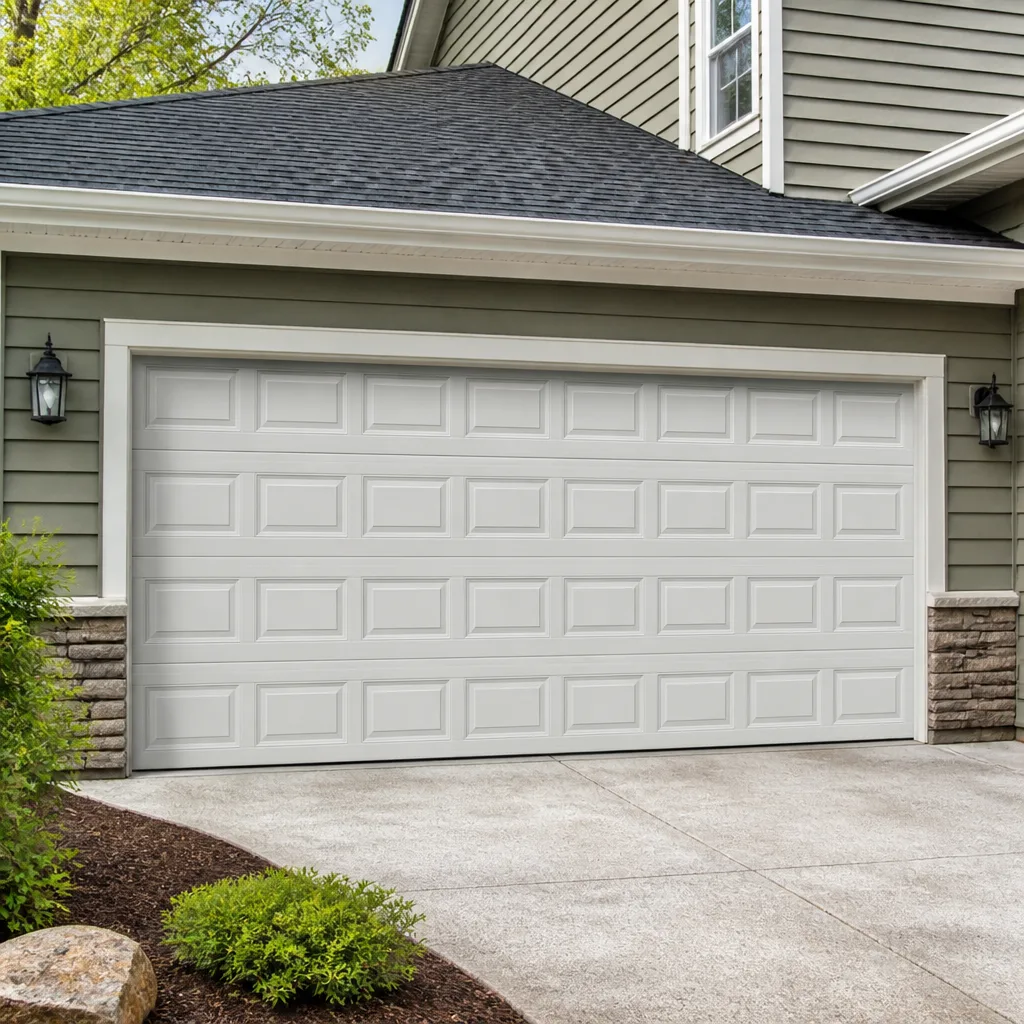 Raised-panel steel
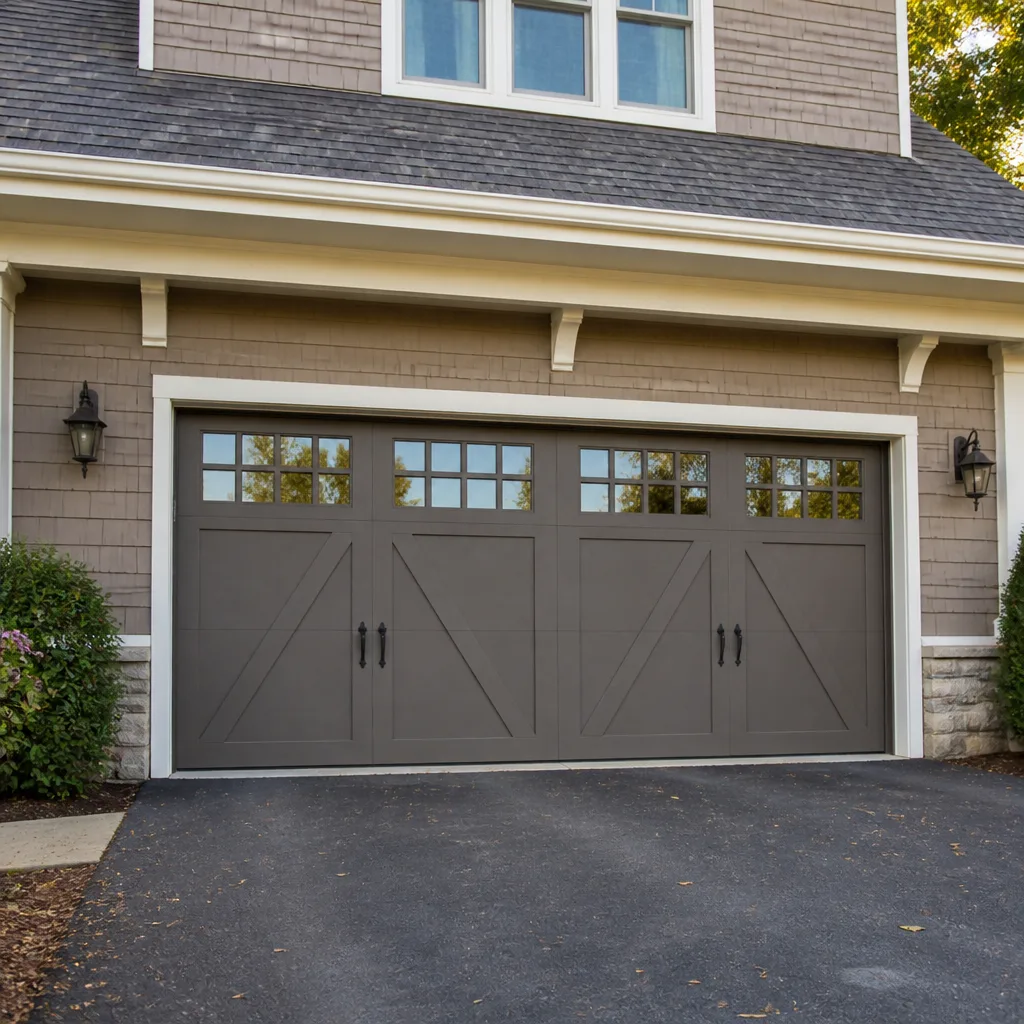 Carriage house
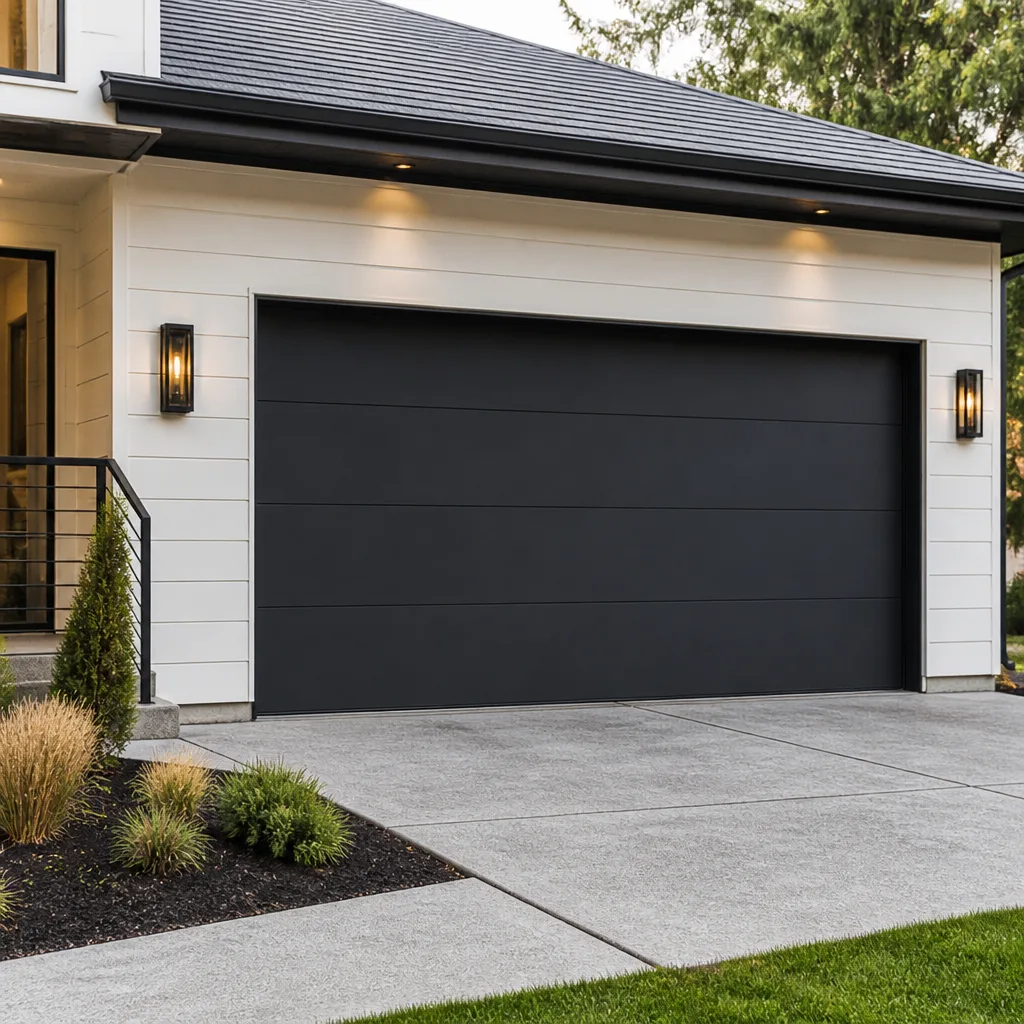 Modern flush
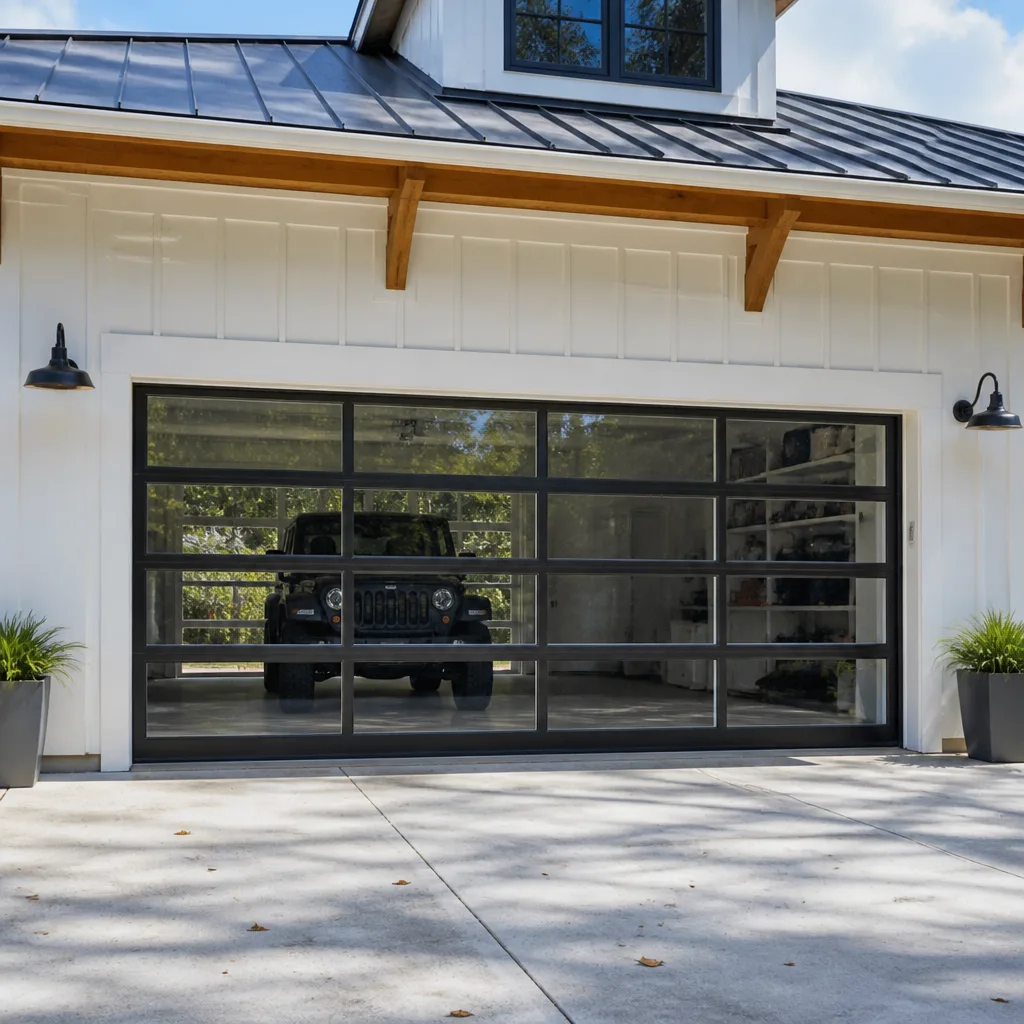 Full-view glass
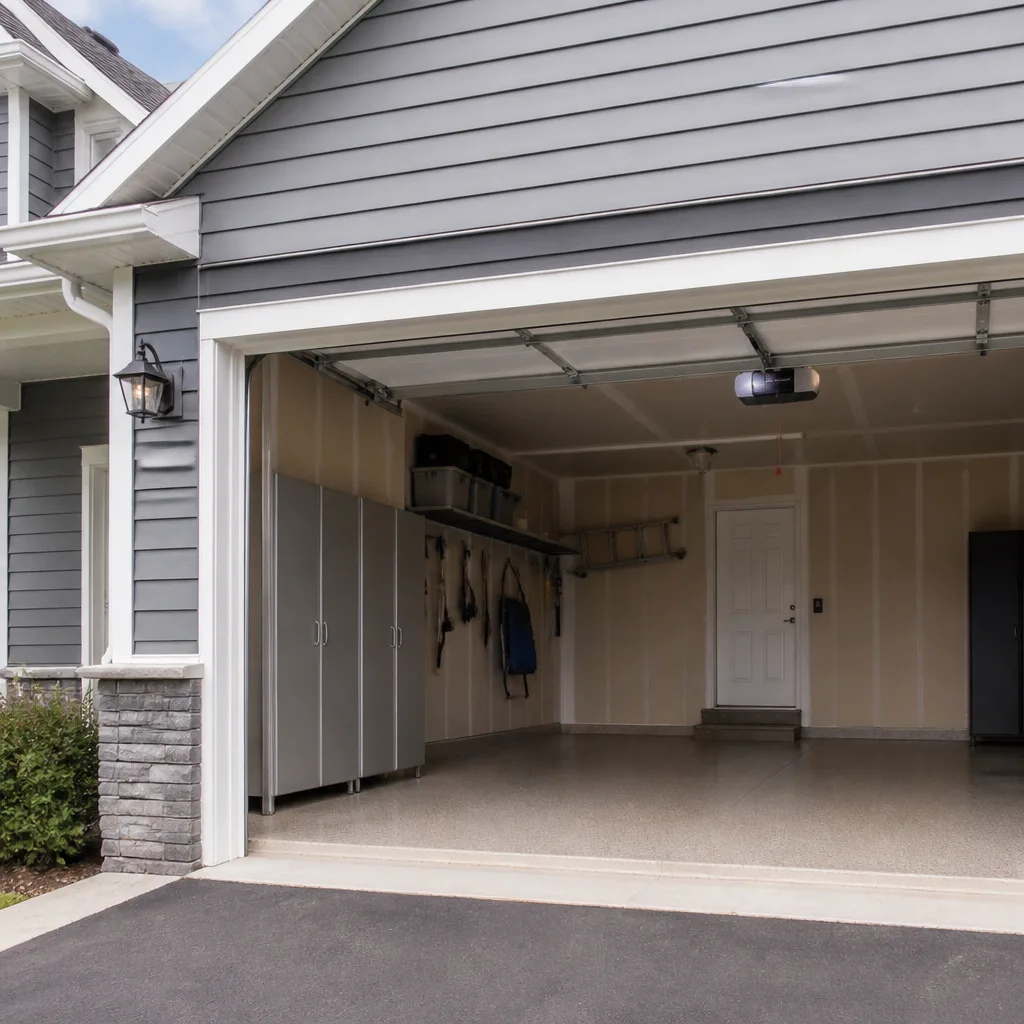 LiftMaster openers
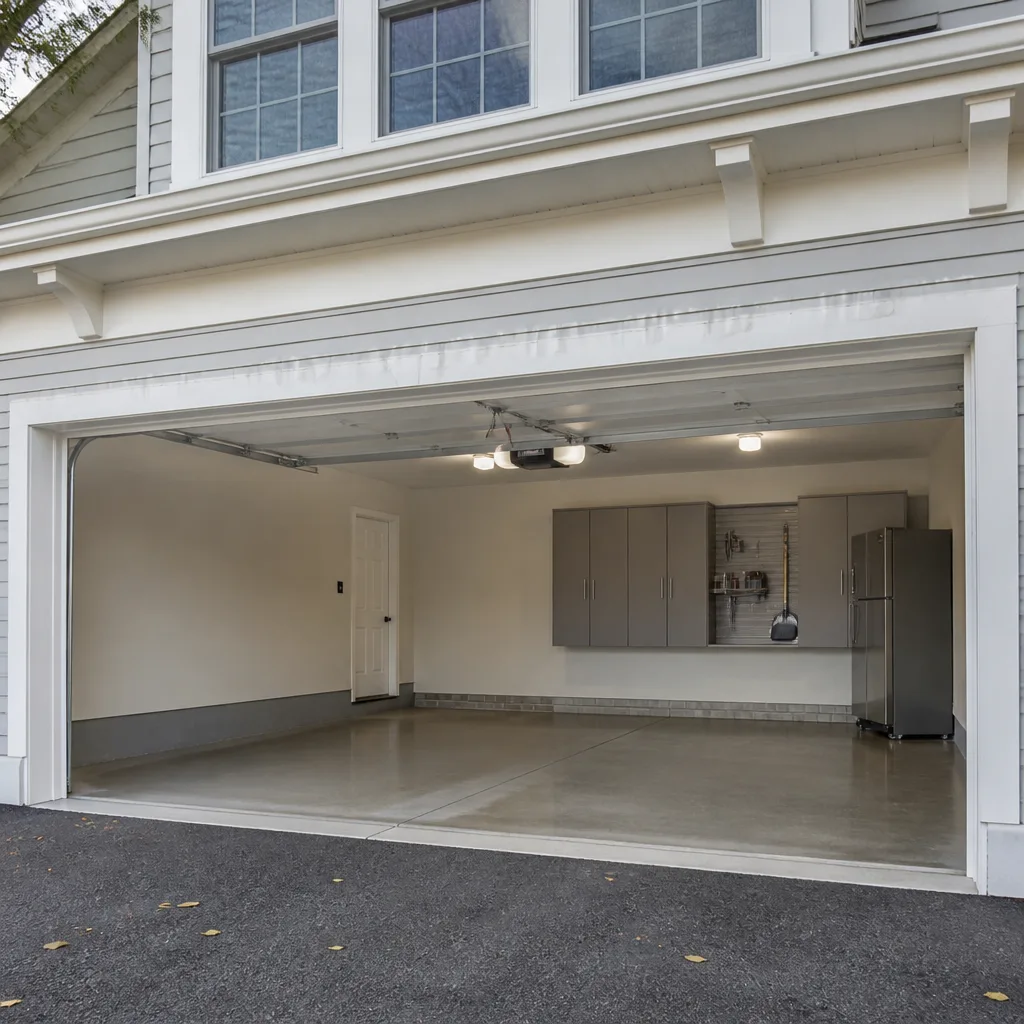 Chamberlain openers
Full 25-point door and opener safety check with every visit - springs, cables, rollers, tracks, and your LiftMaster or Chamberlain opener included
You get a price before we start. It does not change when the pro arrives.
Get your free estimateHow to Hire a Garage Door Contractor in Cape Coral: A Step-by-Step Guide
The cheapest quote in Cape Coral often comes from the person who replaces the broken part and never asks why it broke. That is how a modest spring job quietly turns into a much larger cable-and-drum repair a few months later, because the real cause was never addressed. Garage doors are a system: the door, springs, cables, drums, track, and opener all pull on each other, and a part-swapper treats each one in isolation. This guide walks you through the diagnostic questions, licensing checks, quote reading, and Florida-specific red flags that separate a system-level specialist from someone guessing. By the end you’ll know exactly what to ask before anyone touches your door.
Quick Answer
To hire a garage door contractor in Cape Coral, verify their state licensing and standing, ask five diagnostic questions about how they’ll find the cause of the problem rather than just the symptom, and read the written quote line by line for parts, labor, and warranty. Choose a contractor who works across all major brands, explains what failed and why, and hands you a fixed written price before any work starts. Price and online reviews alone won’t tell you whether they can diagnose your specific system.
Styles & brands we work with
- Raised-panel steel
- Carriage house
- Modern flush
- Full-view glass
- LiftMaster openers
- Chamberlain openers
Table of Contents
- Why Hiring a Garage Door Contractor Is Different From Hiring a Handyman
- The Five Diagnostic Questions to Ask Before Work Starts
- How to Verify a Contractor’s Licensing in Under Two Minutes
- Florida-Specific Red Flags: Storm Chasers, Bait-and-Switch, and Vanishing Warranties
- How to Read a Garage Door Quote Line by Line
- Multi-Brand Experience vs. a Contractor Who Steers You to One Brand
- Spring Repair Is a Safety Issue, Not a DIY Project
- A Step-by-Step Hiring Checklist for Cape Coral Homeowners
Why Hiring a Garage Door Contractor Is Different From Hiring a Handyman
A garage door is one of the heaviest moving assemblies on a house, and it’s under constant tension from springs that store enormous force. A handyman can hang a shelf or patch drywall, but a garage door rewards specific system knowledge: how a torsion spring balances a door’s weight, how cables travel around drums, how an opener’s force settings interact with a door that’s slightly out of balance. When any one of those is off, the others wear faster.
That’s why the vetting process matters more here than it does for most home repairs. A generalist who treats your door as a side job tends to fix the visible failure and move on. A specialist diagnoses the whole system so the same failure doesn’t return. In Cape Coral, where the garage is often the main way in and out of the house, a door that’s down means the household is disrupted until it’s fixed properly.
Here’s the practical difference in how the two approaches play out:
- Parts-swapper: replaces the snapped spring, ignores the worn cable and the door that’s been running out of balance, and you’re calling again in a few months.
- System specialist: replaces the spring, checks the cables, drums, rollers, and balance, and tells you what else is close to failing so you can decide.
- Parts-swapper: carries a couple of universal parts and sends you to a big-box store when they don’t have what your door needs.
- System specialist: sources the right component for your specific door and opener brand, so the job isn’t stalled mid-repair.
None of that is about being fancy. It’s about whether the person in your driveway understands how your door actually works. For a deeper look at what full-system service covers, see our Garage Door Repair Cape Coral Pros overview.
The Five Diagnostic Questions to Ask Before Work Starts
The fastest way to tell a specialist from a parts-swapper is to listen to how they answer “why.” Ask these five questions before anyone starts, and pay attention to whether the answers are specific or vague. A confident diagnostician welcomes them. Someone guessing will deflect.
- “What failed, and what caused it to fail?” A specialist names the part and the reason: a worn cable that put uneven load on a spring, a door that’s been out of balance, an opener force setting that’s been straining the system. A vague answer like “springs just wear out” tells you they’re not diagnosing.
- “Will you check the whole system, not just the broken part?” You want to hear that they’ll inspect cables, drums, rollers, hinges, track alignment, and balance. If they only look at the obvious failure, the next one is already brewing.
- “What brand is my door and my opener, and how does that affect the repair?” A specialist recognizes a LiftMaster or Chamberlain opener, a Clopay or Raynor door, and knows how each behaves and what parts it takes. If they can’t tell you what you have, they can’t source the right fix.
- “Do you carry the parts, or do I need to get them?” The right answer is that they source the correct component as part of the job. Being sent to a store mid-repair is a sign the work isn’t really their specialty.
- “What’s the written price, and what could change it?” You want a fixed quote agreed before work starts, plus an honest explanation of what hidden damage could add cost and how they’d confirm it with you first.
A vague answer to any one of these isn’t automatically disqualifying, but a pattern of vagueness is. The technician who can explain your system in plain language is the one who can fix it.
How to Verify a Contractor’s Licensing in Under Two Minutes
In Florida, garage door work falls under state contractor licensing, and Lee County homeowners can check a contractor’s standing before anyone shows up. The check itself takes about two minutes if you know where to look. You don’t need to understand the licensing statutes; you just need to confirm the person you’re hiring is accountable and in good standing.
- Ask for the license. A legitimate contractor gives you the license number without hesitation. Reluctance here is your first red flag.
- Look it up with the state. Florida’s Department of Business and Professional Regulation maintains a public license lookup. Search the number or the business name and confirm the license is active, not expired or revoked.
- Confirm insurance. Ask for proof of insurance and verify it’s current. The local pro you hire should be licensed and insured as their state requires.
- Check for complaints. The same lookup often shows complaint history. A clean record isn’t a guarantee, but a pattern of complaints is a clear warning.
- Match the name. Make sure the license and insurance match the company actually quoting you, not a subcontractor who appears on the day.
This matters in Cape Coral because the market draws plenty of out-of-area operators, especially after a storm. Verifying licensing is the single fastest way to filter them out before you’ve paid a deposit. If a contractor can’t pass a two-minute check, nothing else on this page matters.
Florida-Specific Red Flags: Storm Chasers, Bait-and-Switch, and Vanishing Warranties
Florida’s garage door market has a few failure modes you won’t read about on most “hire a pro” pages, and Cape Coral sees all of them. Knowing the patterns ahead of time keeps you from becoming the cautionary example.
Storm chasers after hurricanes
After a major storm passes, out-of-state crews often arrive offering quick garage door repairs, take deposits, and disappear before the work is finished or done right. The tell is urgency and cash-upfront pressure. A real local contractor gives you a written quote, a verifiable license, and a schedule you can hold them to. If someone knocks on your door the week after a storm and pushes you to pay now, slow down and verify first.
Bait-and-switch spring pricing
Spring replacement is the most common bait-and-switch in this trade. A very low advertised price gets the truck to your house, then the price climbs once they’re standing in your garage with the door apart. The fix is simple: insist on a written, itemized quote before work begins, and treat any “we’ll see once we open it up” as a warning. A legitimate spring quote is specific about what’s included.
“Lifetime warranty” that vanishes
A warranty is only as good as the company behind it. “Lifetime” language means little if the business folds or the fine print excludes labor, parts, or the very failure you called about. Ask what’s covered, for how long, and whether it’s the part, the labor, or both. Get it in writing on the quote. A warranty you can actually use beats an impressive-sounding one you can’t.
These three patterns account for most of the bad experiences homeowners describe. None of them are about price. They’re about whether the contractor is accountable after the invoice is paid.
How to Read a Garage Door Quote Line by Line
A written quote is where a specialist proves they’re a specialist. Vague quotes hide problems; itemized quotes let you compare fairly and hold the contractor to a fixed price. Here’s what a solid quote should show for each type of repair.
- Parts: The specific component, not a generic “spring” or “part.” For springs, the quote should distinguish a single spring from a matched pair, since a pair costs roughly twice a single spring and is often replaced together.
- Labor: Broken out separately from parts, with the scope of work described. You should see what’s being done, not just a lump sum.
- Warranty: What’s covered, for how long, and whether it applies to parts, labor, or both.
- What’s excluded: Any work that could add cost if hidden damage turns up, and how they’ll confirm it with you before proceeding.
- The final price: A fixed number agreed before work starts. The written estimate sets the final price; the price you agree to is the price you pay unless you approve a change.
Here’s how line items tend to look across common repairs, so you know what each section should include:
| Repair type | Parts to expect | Labor | Warranty focus |
|---|---|---|---|
| Single spring | One torsion or extension spring sized to the door | Separated from parts | Spring and labor |
| Matched spring pair | Two springs, replaced together | Separated, roughly the pair scope | Both springs and labor |
| Opener repair | Specific opener component or board | Diagnostic plus repair | Part and labor |
| Cable or drum | Cable, drum, or both | Separated, includes balance check | Part and labor |
When you compare quotes, compare the line items, not just the totals. The lower total often hides missing parts or a warranty that won’t help you later. Insist the written estimate sets the final price, and get any exclusions in writing. For repair-specific pricing structure, our garage door repair page breaks down what to expect by job type.
Multi-Brand Experience vs. a Contractor Who Steers You to One Brand
Some contractors work on one brand and steer every job toward it, because that’s all they stock or all they’re trained on. That’s a problem if your door or opener isn’t that brand. Cape Coral has a wide mix of homes, and the doors and openers in them reflect that: you’ll find Craftsman openers in older garages, Raynor and Clopay doors on newer builds, and LiftMaster or Chamberlain systems with smart-home features in recently updated homes.
A contractor who works across all major brands diagnoses by brand-specific behavior rather than guesswork. They know how a particular opener’s force settings behave, how a specific door’s hardware wears, and what parts that system takes. That breadth is what lets one call cover the whole system, from opener electronics to door panels to mechanical springs.
- Single-brand contractor: steers you toward the brand they carry, even if your existing system is a different make, and may push a full replacement when a targeted repair would do.
- Multi-brand specialist: recognizes your LiftMaster, Chamberlain, Genie, Clopay, Amarr, Wayne Dalton, Craftsman, or Raynor system and fixes what’s actually there.
Ask a contractor which brands they work on and how they handle yours specifically. The answer tells you whether they’ll repair your system or sell you theirs. If the conversation turns into a pitch for one brand before they’ve diagnosed anything, that’s your cue. Our technicians work across these systems every day, which is why brand-specific repair is a core service rather than an afterthought. For opener-specific work, our garage door opener repair page covers how we approach smart-home and legacy systems.
Why brand-specific diagnostics save you money
A door that won’t close isn’t always a broken opener. It could be a misaligned sensor, an out-of-balance door straining the opener, or a failing logic board. A technician who knows your brand’s behavior can tell the difference quickly. One who doesn’t may replace an expensive board when the real problem was a door out of balance. That’s how “parts-swapping” gets expensive.
Spring Repair Is a Safety Issue, Not a DIY Project
Torsion and extension springs store enough force to cause serious injury if released unexpectedly, and cable assemblies are under the same tension. This is the one part of garage door work we tell people to leave entirely to trained technicians. Springs and cables can fail violently, and the tools and technique for handling them safely are a professional matter, not a weekend project.
That’s why spring repair should be offered as a dedicated service, not an upsell bolted onto general handyman work. Many generalists decline spring work altogether, and some who attempt it without proper training create a bigger problem. A specialist handles the repair with the door secured, the tension controlled, and the rest of the system checked while they’re in there.
What to watch for that suggests a spring or cable problem worth calling about:
- A loud bang from the garage, followed by a door that won’t lift or feels extremely heavy.
- A visible gap in a torsion spring, or a snapped extension spring hanging loose.
- The door rising crookedly, or the opener struggling and reversing.
- Cables that look frayed, kinked, or off the drum.
- The door slamming down instead of lowering smoothly.
If you notice any of these, don’t try to operate the door repeatedly, and don’t attempt to adjust springs or cables yourself. Call a trained technician. Spring failure is a safety issue, not just an inconvenience, and it’s handled correctly the first time by someone who does it as core work. When repair moves into replacement territory, our garage door installation page covers how that process is measured and scheduled.
A Step-by-Step Hiring Checklist for Cape Coral Homeowners
Here’s the whole process in one place. Work through it in order and you’ll avoid the mistakes that turn a small repair into a recurring expense. Each step is quick, and together they take less time than a single callback.
- Identify your door and opener brands. Check the labels on the door and the opener unit. Knowing you have a Chamberlain opener or a Clopay door helps you ask better questions and spot a contractor who doesn’t recognize your system.
- Ask the five diagnostic questions. How they answer tells you whether they diagnose the cause or just the symptom.
- Verify the license and insurance. Look up the license with the state and confirm insurance is current before anyone comes out.
- Request a written, itemized quote. Parts, labor, warranty, exclusions, and a fixed final price agreed before work starts.
- Compare line items, not totals. A lower total with missing parts or a weak warranty isn’t a better deal.
- Confirm brand coverage. Ask which brands they work on and make sure yours is one of them.
- Get the warranty in writing. Know what’s covered and for how long, and make sure it’s on the quote.
- Insist on a system check, not just the repair. The whole system should be inspected so the next failure is caught early.
Run this checklist once and you’ll notice how many contractors fall away at steps two through four. The ones who make it through are the ones worth hiring in Cape Coral.
Common Mistakes to Avoid
- Choosing on price alone. The lowest quote often comes from someone who fixes the symptom, not the cause, and you pay twice. Compare line items and read the warranty before you decide.
- Skipping the license check. In Lee County, verifying a contractor’s standing takes two minutes and filters out out-of-area operators. If they can’t pass the lookup, stop there.
- Accepting a verbal quote. Without a written, itemized price agreed before work starts, the bill is open-ended. Get every quote in writing.
- Believing “lifetime warranty” at face value. Read what’s actually covered, whether it’s parts, labor, or both, and by whom. A warranty from a company that folds isn’t a warranty.
- Letting a single-brand contractor steer you. If your Cape Coral home has a LiftMaster or Raynor system and they only carry another brand, you’ll get a pitch, not a diagnosis.
- Treating spring repair as DIY. Springs and cables store dangerous force. This isn’t a task to attempt without professional training, and many generalists won’t touch it for good reason.
- Paying a deposit to a door-knocker after a storm. Storm chasers pressure for cash up front and vanish. Verify the license and get a written quote before any money changes hands.
See the difference
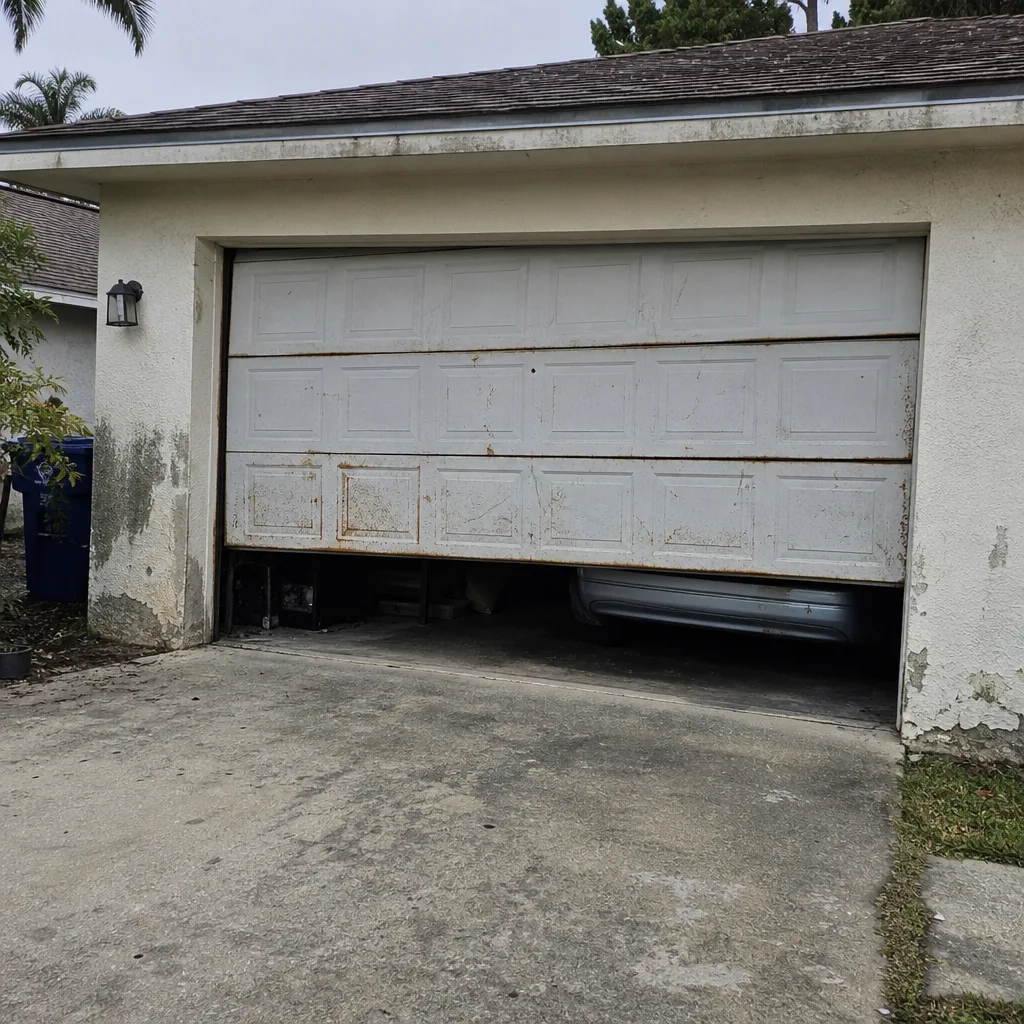 Before
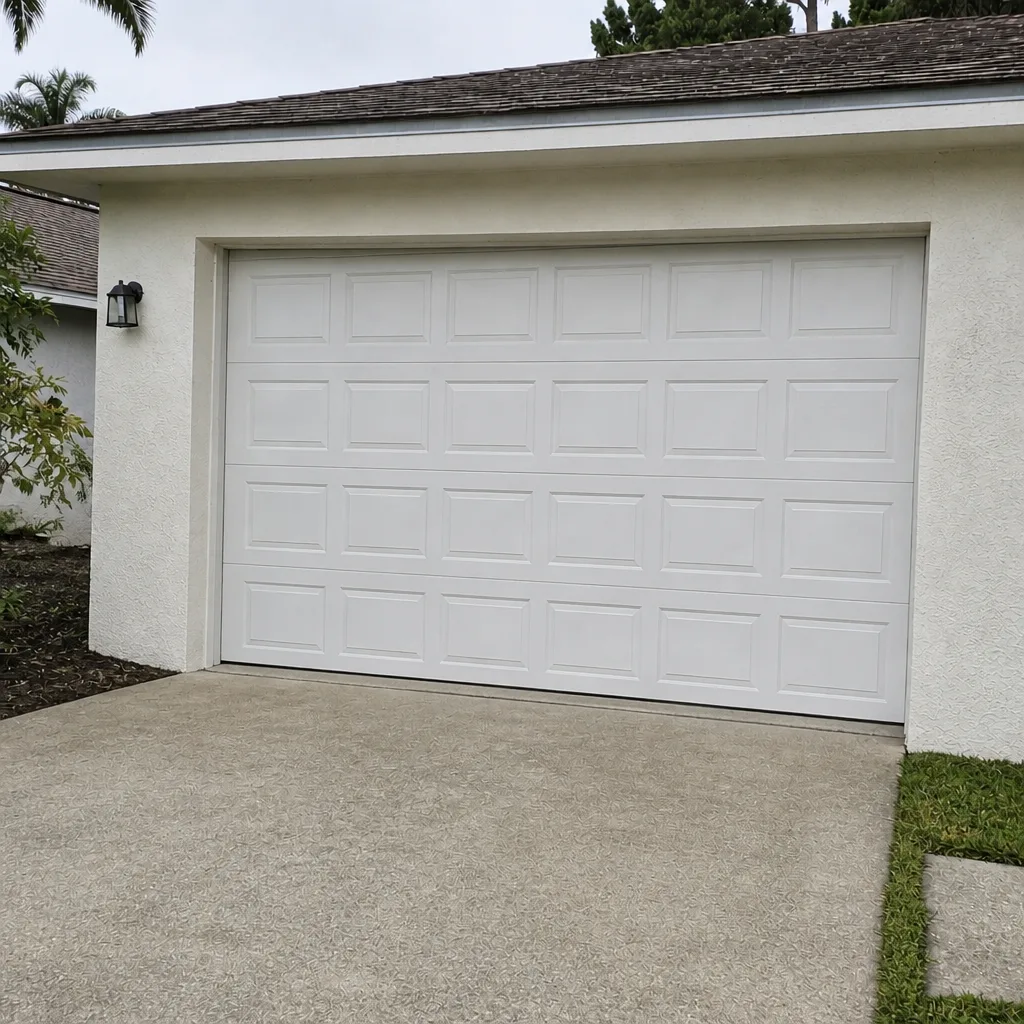 After
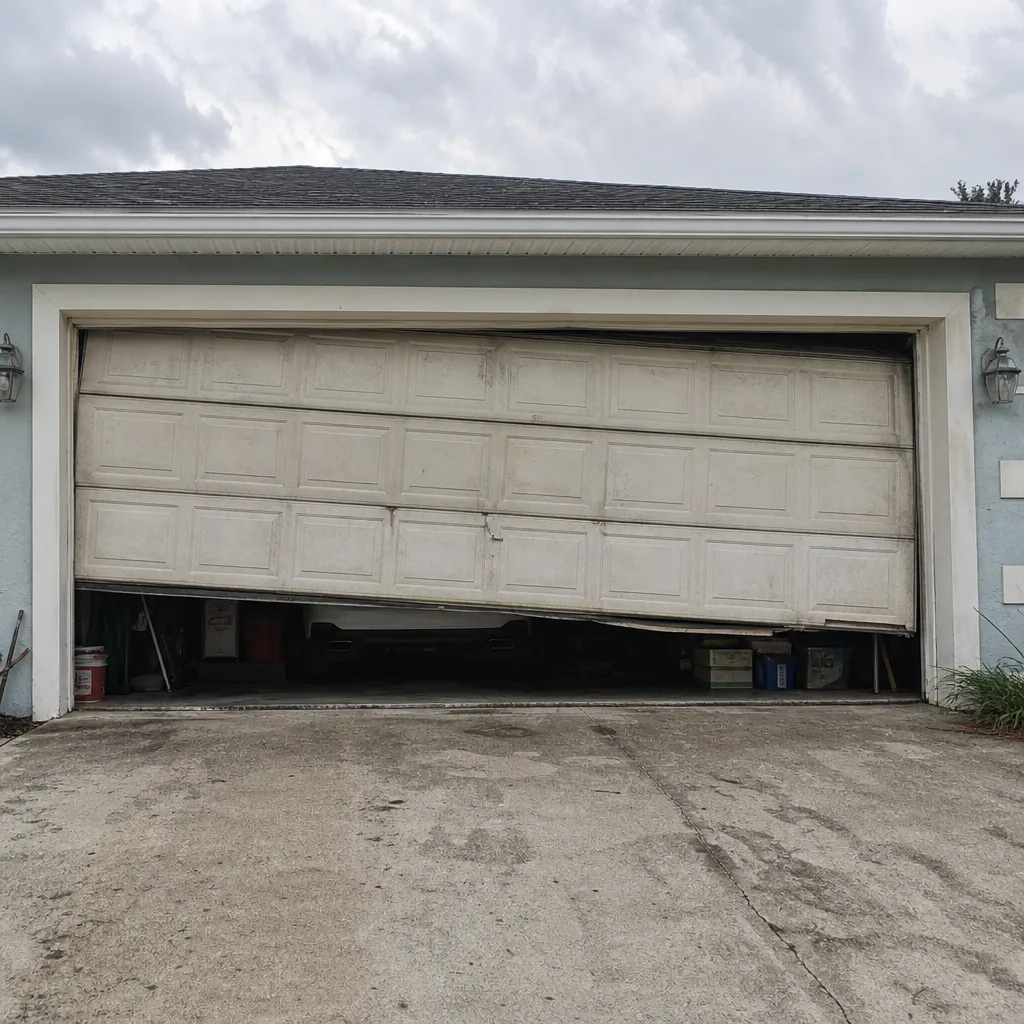 Before
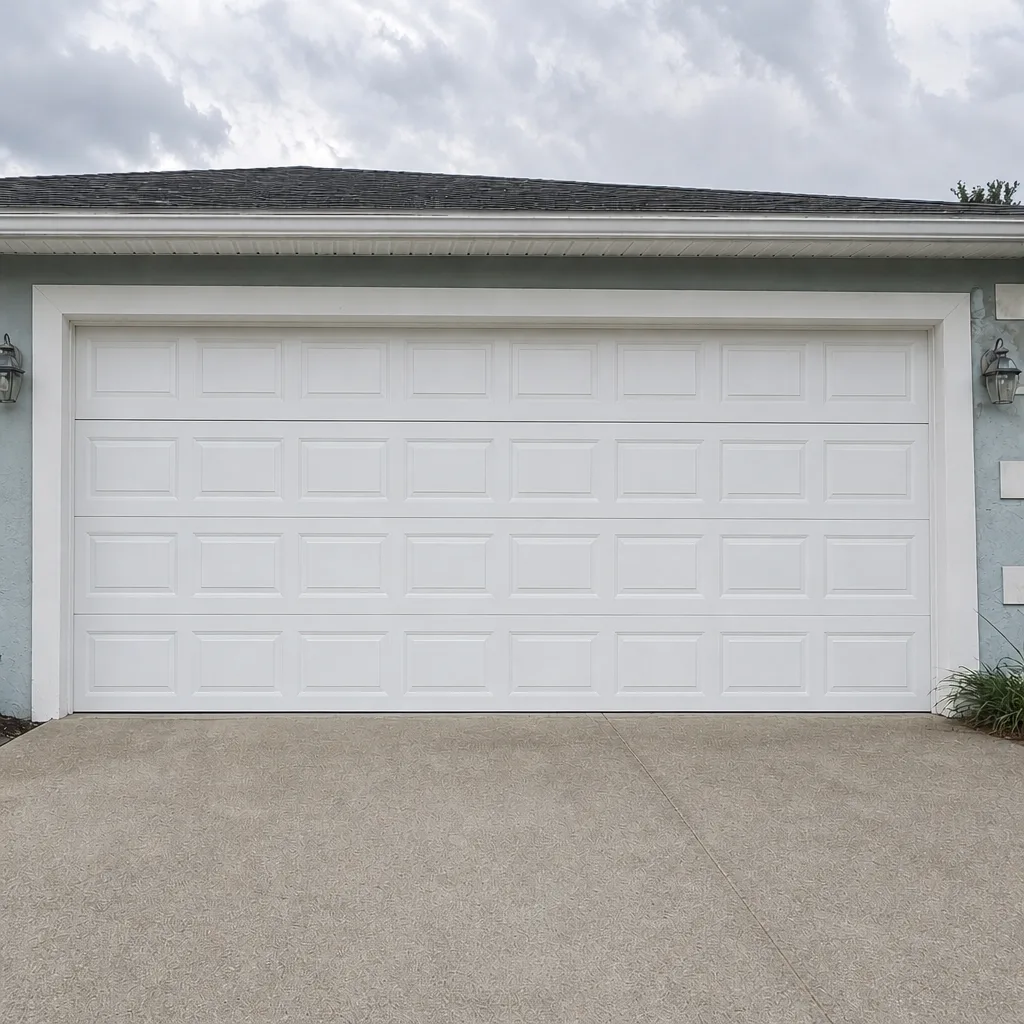 After
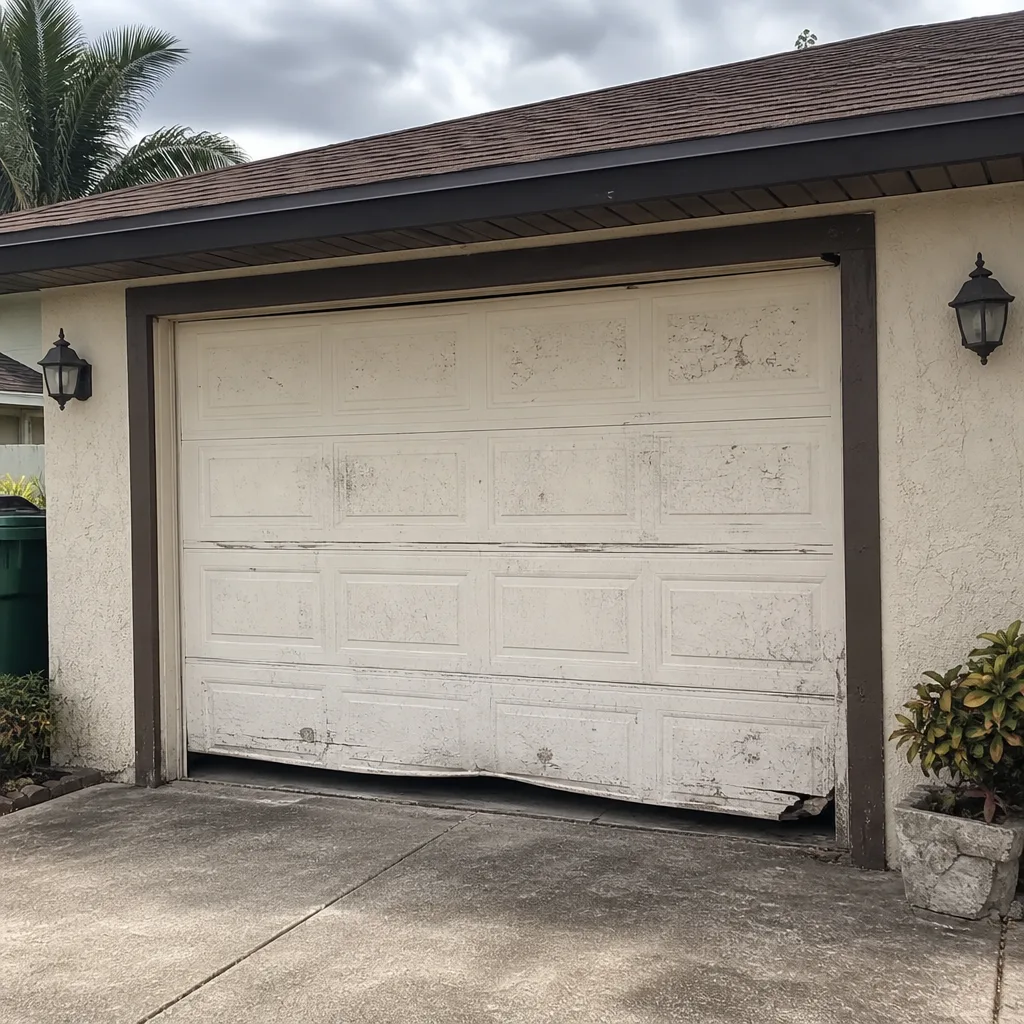 Before
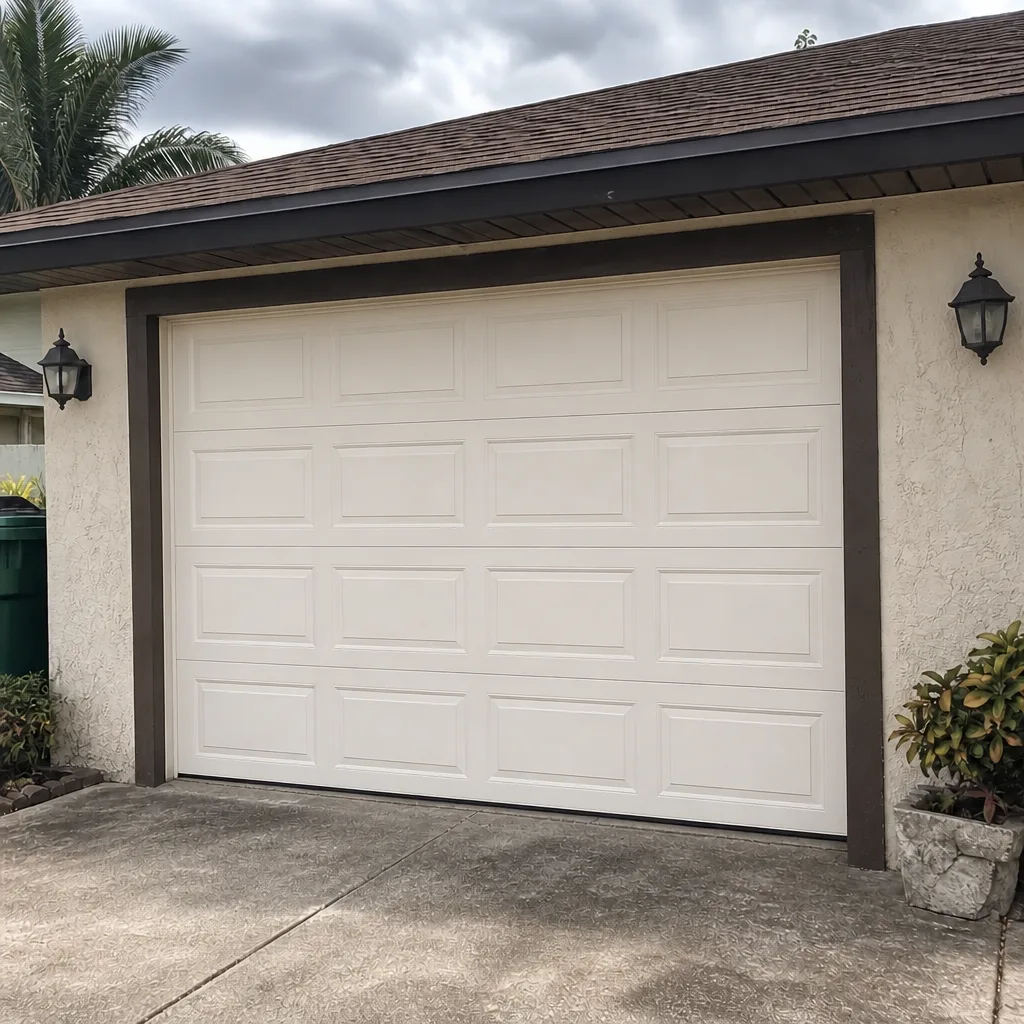 After
When to Call a Professional
Call a garage door professional when the door won’t open or close, when you hear a bang from the garage, when the door rises crookedly, or when the opener struggles, reverses, or stops responding. Call immediately if you see a broken spring, a frayed or off-track cable, or a door that slams down instead of lowering smoothly. These are safety issues, and springs and cables should never be adjusted by an untrained hand. Also call for opener problems across smart-home and legacy systems, and for a system check whenever one part fails but the door is older. Garage Door Repair Cape Coral Pros offers free estimates in Cape Coral – call (877) 492-3592. Our technicians have up to 12 years of experience, and we work on your brand rather than steering you to ours.
Frequently Asked Questions
Verify the contractor’s state license and insurance, ask five diagnostic questions about how they’ll find the cause of the problem, and insist on a written, itemized quote with a fixed price agreed before work starts. Choose someone who works across all major brands and checks the whole system, not just the broken part. Call (877) 492-3592 for a free estimate.
Spring repair is priced per spring, and because springs are usually replaced as a matched pair, a pair costs roughly twice a single spring. The exact price depends on the door and the spring, and the written estimate sets the final price. Ask for an itemized quote so you know what’s included before anyone starts. Call (877) 492-3592 for an exact quote – estimates are free.
Ask for the license number and look it up with Florida’s Department of Business and Professional Regulation, which maintains a public lookup showing whether a license is active and whether there’s a complaint history. Confirm insurance is current and that the license and insurance match the company quoting you. The local pro should be licensed and insured as their state requires.
Repair is usually the right call when one part has failed, such as a spring, cable, or opener component, and the door itself is sound. Replacement makes more sense when the door is damaged across multiple panels or a repair would cost close to a new door. A system check tells you which situation you’re in. Call (877) 492-3592 for a free estimate on either.
Because the cheapest quote usually replaces the visible broken part without diagnosing why it failed, so the underlying strain that caused it stays in place and wears out other components. That’s how a small spring job becomes a larger cable and drum repair a few months later. A written, itemized quote that covers a system check protects you from that cycle. Call (877) 492-3592 for a free estimate.
Opener repairs are often handled the same day, and we can usually tell you what’s involved once we know your system and the symptom. Smart-home and legacy openers alike can be diagnosed and repaired, with the right part sourced as part of the job. Call (877) 492-3592 to check availability and get a free estimate.
The Bottom Line
Hiring a garage door contractor in Cape Coral comes down to diagnosis, not price. A specialist asks why the part failed, checks the whole system, works across all major brands, and puts a fixed, itemized price in writing before starting. A parts-swapper fixes the visible failure and leaves the cause in place. Verify the license, ask the five questions, read the quote line by line, and treat spring work as the safety issue it is. Do those things and you’ll avoid the callback cycle and the vanishing warranty. Get a free estimate with one call.
When you’re ready to have your garage door looked at properly, call (877) 492-3592 to schedule a free estimate. One call covers the whole system: door, opener, springs, and parts. We’ll diagnose the cause, hand you a clear written price, and agree it with you before any work starts.
Written by the team at Garage Door Repair Cape Coral Pros.