Last updated November 21, 2026
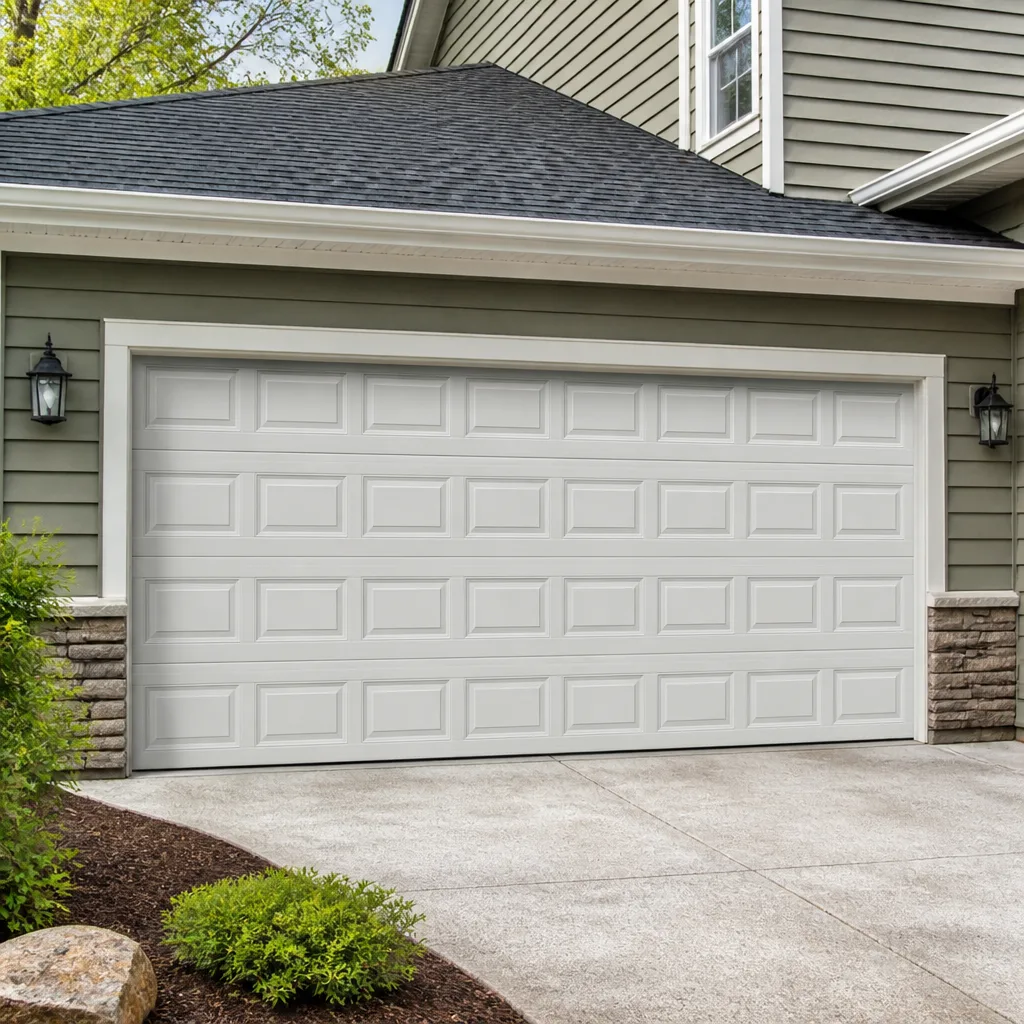 Raised-panel steel
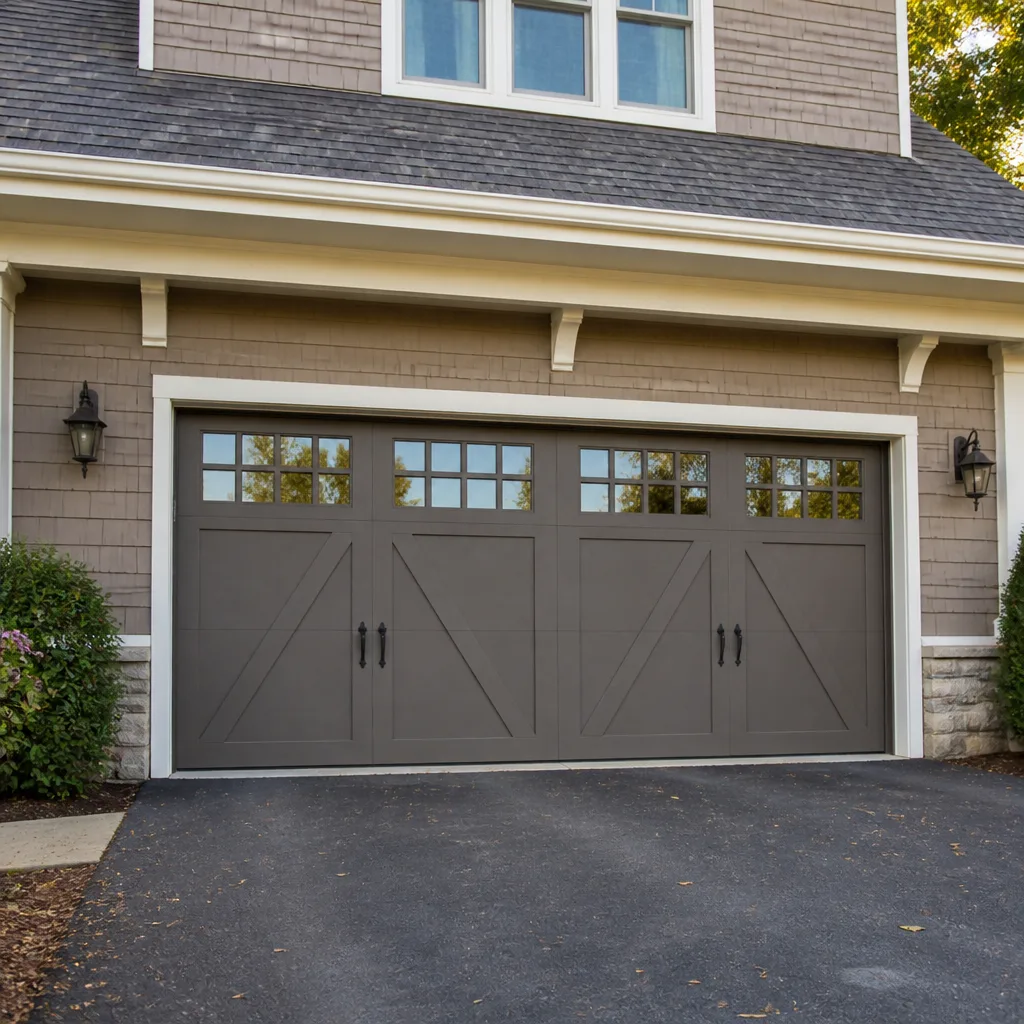 Carriage house
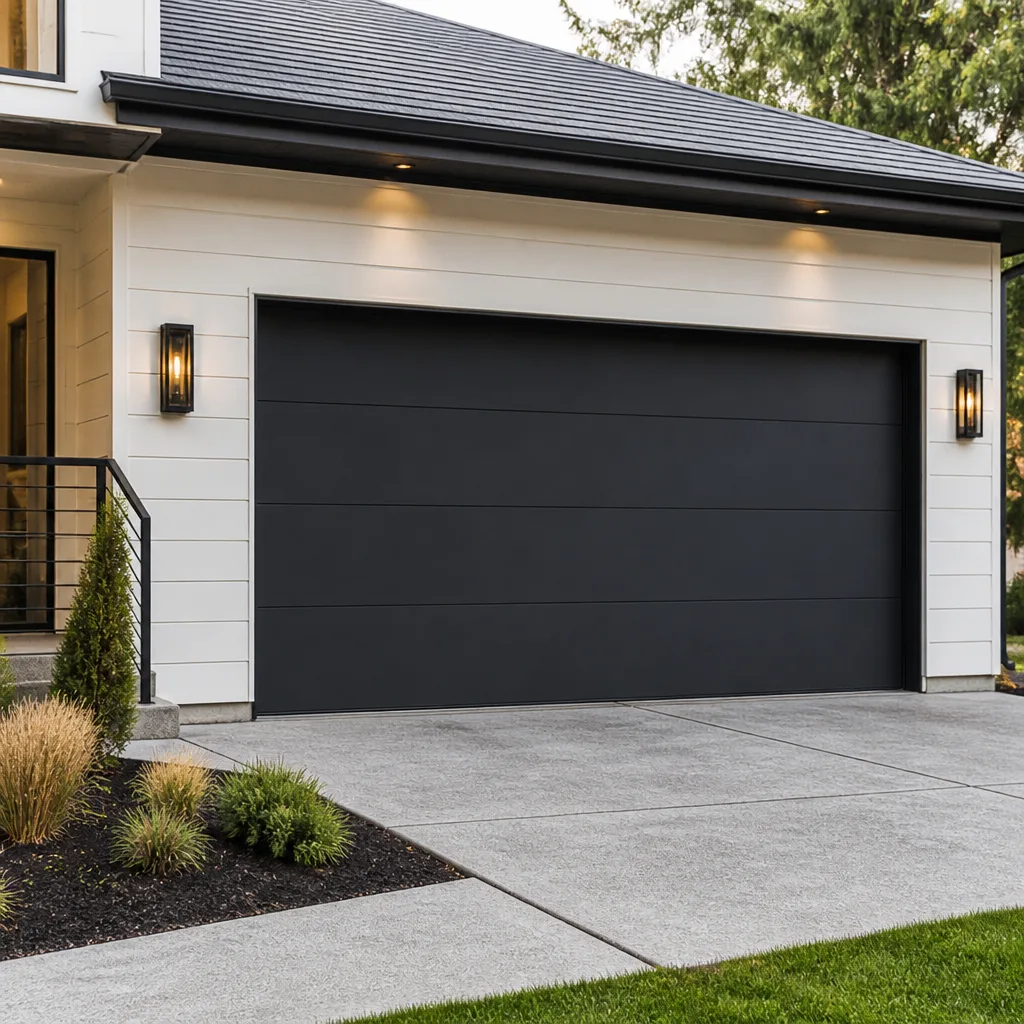 Modern flush
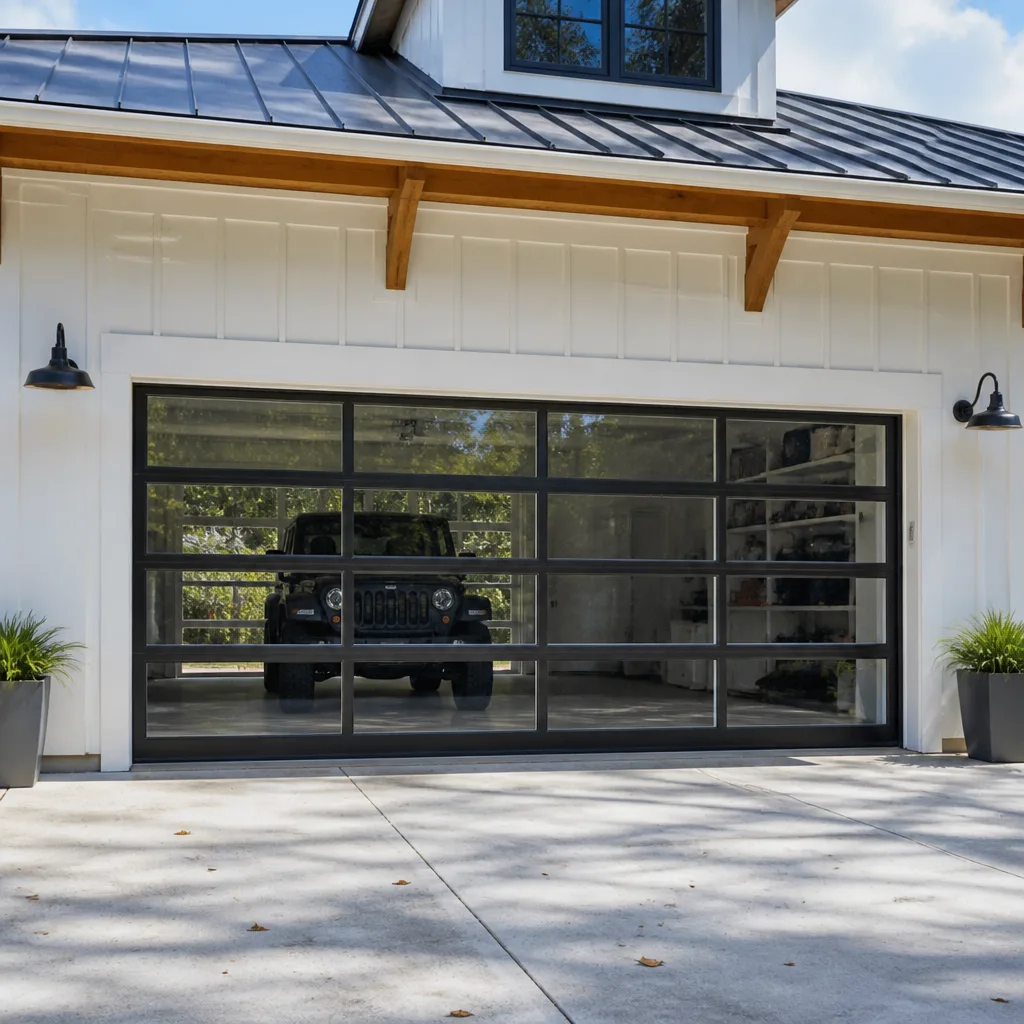 Full-view glass
 LiftMaster openers
 Chamberlain openers
Full 25-point door and opener safety check with every visit - springs, cables, rollers, tracks, and your LiftMaster or Chamberlain opener included
You get a price before we start. It does not change when the pro arrives.
Get your free estimateSeasonal Garage Door Care for Cape Coral: Year-Round Homeowner’s Guide
Most garage door maintenance advice is written for a place with four seasons. Cape Coral doesn’t have four seasons. We get a wet season, a dry season, and a hurricane window – and each one stresses a garage door system in ways a generic spring-and-fall checklist never addresses. That mismatch matters because the 90-day stretch from June through August puts more cumulative strain on a Cape Coral door than the rest of the year combined, thanks to thermal expansion on metal panels, daily swings in humidity, and the sheer number of open-close cycles a storm season brings. What follows is a season-by-season guide written for how doors actually live in Cape Coral, not for a climate somewhere else.
Styles & brands we work with
- Raised-panel steel
- Carriage house
- Modern flush
- Full-view glass
- LiftMaster openers
- Chamberlain openers
Quick Answer
Garage door care in Cape Coral follows three distinct seasons rather than four: wet season (June through September), when humidity stresses wood panels, seals, and opener sensitivity; the hurricane prep window (May and June), when structural and mechanical checks matter most; and dry season (November through March), when cooler nights shift spring tension. A focused inspection at each transition catches most developing problems before they turn into a failure.
Table of Contents
- Why Cape Coral’s Climate Breaks the Standard Maintenance Calendar
- Wet Season (June-September): Humidity, Wood Doors, and Opener Settings
- Hurricane Prep Window (May-June): Checks That Give a Door Its Best Chance
- Post-Storm Inspection: What to Check Before You Operate the Door Again
- Dry Season (November-March): Spring Tension Shifts and How to Spot Them
- Snowbird Vacancy Protocol: Setting Up a Home That Sits Empty
- The Cape Coral Season-by-Season Maintenance Checklist
- Common Mistakes to Avoid
- When to Call a Professional
- Frequently Asked Questions
- The Bottom Line
Why Cape Coral’s Climate Breaks the Standard Maintenance Calendar
The typical national garage door maintenance schedule assumes a long, dry, cold winter followed by a short humid summer. Cape Coral works the other way around. The heaviest environmental load lands in the wet season rather than winter, and the months most guides tell you to prep for cold are the months our doors are mostly dry and comfortable.
Here’s what one full Cape Coral year actually does to a garage door system:
- Steel panels: expand and contract daily as garage interior temperatures climb, which works screws, hinges, and the track mounts loose over time.
- Wood doors: absorb moisture during the wet season and release it during the dry season, changing the door’s weight and requiring the opener and springs to carry a different load from month to month.
- Bottom seals: compress under consistent heat, then rebound on cooler dry-season nights, so they wear unevenly compared to cooler climates.
- Opener drive systems: see two humidity extremes a day (humid nights, drier afternoons under load) that can affect chain and belt tension and closure-force settings.
- Hardware and fasteners: move with thermal cycling, loosening bolts that a cooler, more stable climate might never touch.
None of those problems are dramatic on their own. Stacked over a full year, though, they explain the small failures Cape Coral homeowners tend to notice in clusters: a door that suddenly closes unevenly, an opener that reverses for no obvious reason, a bottom that lets light in where it didn’t last year.
Ready to fix a specific problem now rather than wait for the next season? Our Garage Door Repair Cape Coral Pros page covers diagnostics and repair in Cape Coral.
Wet Season (June-September): Humidity, Wood Doors, and Opener Settings
The wet season is when a Cape Coral garage door works hardest. Between June and September, humidity swings day to day and sometimes hour to hour, and the interior of a garage amplifies that. Wood doors swell, seals flatten, and openers start doing things they didn’t do in March.
Three systems deserve attention in this stretch.
Wood door expansion
A wood garage door is a natural moisture meter. Panels and stiles absorb humidity, swell slightly, and in real cases the door gains enough weight and stiffness to strain the opener. Section joints that stayed tight in the dry season can start to bind. Look for these signs as the wet season sets in:
- Sections that rub or stick partway up or down instead of traveling smoothly
- Visible daylight at horizontal joints that used to sit flush
- A door that suddenly feels heavier to lift manually (or sounds labored when the opener lifts it)
- Paint or finish cracking along joints that indicate movement
Bottom seal compression
The rubber bottom seal on a Cape Coral door takes direct heat, humidity, and constant use. Under a hot wet-season garage, the seal compresses and hardens. A seal that’s lost its rebound lets water toward the door’s base and floor, and it also throws off the door’s closing point. Run a hand along the seal after the door is down and look for flat spots, tears, or gaps.
Opener sensitivity settings
Some of the most overlooked wet-season issues hide inside your opener. Openers are set to reverse if they detect force above a certain threshold. As a door swells and stiffens in humidity, that force climbs closer to the limit, and a door that worked fine in April starts reversing or stalling. On a LiftMaster or Chamberlain MyQ system you may also notice the smart notifications start showing interrupted travel. Two things matter here:
- Don’t just turn up the force setting to make it stop reversing. That masks the swelling problem and removes a safety feature that’s there to protect people and objects under the door.
- Have the door itself checked for binding and weight gain. If a door has swollen enough to trip the force reversal, something is measuring wrong. Adjust the cause, not the safety threshold.
If the opener still misbehaves after the swelling is resolved, a professional can look at the drive system itself, from chain tension to travel limits. That’s work our garage door opener repair service handles across LiftMaster, Chamberlain, Genie, and other major brands.
Hurricane Prep Window (May-June): Checks That Give a Door Its Best Chance
Before the wet season fully settles in, Cape Coral shifts its attention to the hurricane window. May and June are the right months to run the structural and mechanical checks that make a garage door more likely to hold through a direct wind event. A garage door is a large opening on the windward side of a home, and wind forces on a door are real. The checks below are about getting the door and its hardware into their best shape, not about promising that any door can’t fail.
Work through this list before the season peaks:
- Look at the track and mounting. Check every wall bracket and track mount. Loose lag screws or brackets that have pulled out of the framing should be replaced, not just tightened, because wind loads find the weakest mount first.
- Check the hinges and rollers. A wind event loads the hinges and the door’s internal structure. Hinges with worn or elongated screw holes, or rollers that bind, concentrate force on the wrong parts.
- Inspect the center-bearing plate and cables. Cables under tension do not get touched by homeowners. A visual inspection is enough – look for frayed strands or slack cable, then call a technician. Do not handle, cut, or adjust cables yourself.
- Test the door’s balance. A balanced door is a door that’s not asking the opener to carry extra load. Disconnect the opener (following the manufacturer’s instructions so nobody gets hurt during the lift), and lift the door about halfway. It should hold roughly in place. If it slams or drifts, springs or balance are off.
- Consider the door’s rating and design. If your door was installed years ago without wind consideration, talk to a professional about whether it should be reinforced or replaced. A modern garage door installation with wind-rated hardware is a different animal from an older builder-grade door.
- Clear the door path. Anything stored in the swing or track path of the door should be moved before storm season, so the door is clear to travel if you need to operate it in the dark.
One caution on the spring and cable side: garage door springs, cables, and the torsion bar are under high tension even when the door is down. A trained technician handles these with the right tools and knows the safe sequence. That’s not a task to learn on your own door, and in Cape Coral’s storm season it’s the check that’s most important to leave to a specialist.
Post-Storm Inspection: What to Check Before You Operate the Door Again
After a hurricane or a severe tropical storm passes through Cape Coral, the garage door is one of the systems most likely to have taken stress it doesn’t show plainly. Wind does its damage to the structure and mounts, not always to the panels you can see. The safest approach is a walk-around inspection before anyone touches the opener.
Follow this order, and stop at any red flag:
- Look at the outside first. Walk the driveway and check that no panels are dented, bowed, or displaced, and that no tracks have shifted or bent.
- Check the floor and the door base. If the bottom seal or door sits unevenly, the track or a panel may have moved. Don’t force the door.
- Look at the track and brackets. A wall bracket pulled out of the framing, a bent vertical track, or a hinge torn from its mount are all reasons to stop and call.
- Inspect the cables and springs visually. Frayed cables, slack cable, or a spring that’s visibly off are all “do not touch.” A garage door with a broken spring or cable can slam or drop when operated, and the force involved is serious.
- Test the opener lightly. Only after the visual inspection is clean, step back and press the button for a quick partial cycle. If the door jerks, binds, or reverses immediately, stop and disconnect the opener.
- Check for water intrusion. Look at the floor under the door for water stains and the seal for tears. Wet-season storms can push water past a worn seal.
If everything looks clear, a post-storm cycle test plus a quick look at the seal and tracks will confirm the door is healthy. If anything looks off, a trained technician can assess the door and tell you whether it’s a repair or a replacement. For urgent post-storm issues, our garage door repair team handles property damage assessments and can quote before any work begins.
Dry Season (November-March): Spring Tension Shifts and How to Spot Them
Dry season is when most Cape Coral homeowners stop thinking about their garage door, which is exactly why this is the best time to catch a developing problem. As overnight temperatures cool and daytime humidity drops, a door that was heavy and swollen in September gets lighter. Springs settle. What was a balanced door in July can become a slightly unbalanced door by January, and a chain or belt opener set to work against a wet-season door now works against a different one.
Spring tension shifts aren’t a crisis, but they do deserve a look. These are the signs that a spring adjustment is worth a professional check:
- The door closes more slowly than it opens (or the reverse) when the opener is set to a steady speed.
- The door doesn’t stay at mid-height when you disconnect the opener and lift it. A balanced door holds roughly in place. A door that wants to drop, or that lifts too easily and drifts up, has a spring doing more or less work than it should.
- The opener seems to “help” more than it should. If the door feels easy to lift by hand but the opener still sounds strained, or the door feels hard to lift by hand but the opener moves it with ease, something’s off between the springs and the opener.
- The safety reverse trips more easily as the seasons swing. Seasonal force changes are normal, but repeated reversing isn’t and shouldn’t be ignored.
- Visible spring wear. A torsion spring with a narrowing gap between windings, or an extension spring with visible stretch, is telling you it’s approaching the end of its safe service life.
Springs are the highest-risk component in the garage door system. Even springs at rest are under significant tension, and a spring that’s been losing tension in dry season is a spring you don’t want to disassemble yourself. Our technicians have up to 12 years of experience on spring systems, and we treat spring work as a core service, not an afterthought. If something looks off in the dry season, get it inspected.
Snowbird Vacancy Protocol: Setting Up a Home That Sits Empty
A large number of Cape Coral homes are empty for three to five months a year, usually over the summer. That’s also the exact stretch when the garage door is taking the worst of its annual environmental stress. An empty house means nobody hears the opener acting up, nobody sees the water on the garage floor, and nobody notices the swollen wood door binding.
Here’s how to set the door up for a vacant stretch:
- Disconnect the opener. Unless you have a smart opener you’ll be checking remotely, disconnect the opener from the door so nothing is cycling it while you’re away. Follow the manufacturer’s disconnect procedure – this is the release handle on the trolley, and it’s harmless to pull.
- Get a full balance and hardware check done before you leave. Loose bolts and hinges that would normally get noticed become frozen or seized hardware over months of humidity changes. This is the one job worth scheduling a professional inspection for before a long vacancy.
- Seal the door bottom and any wall penetrations. A worn bottom seal invites water and insects. Look for gaps, and replace a worn seal before a long vacancy.
- Set the opener’s smart features if you have them. If your opener is a LiftMaster or Chamberlain MyQ unit, or a Genie with Aladdin Connect, set it up for remote monitoring so you can see whether the door opens on its own or an alert fires while you’re away.
- Leave a neighbor the code. A trusted neighbor with the opener code, or a quick sightline check once a week, will catch a visual change – a shifted track, a panel out of place after a storm – that a remote check won’t.
- Clear the swing path. Nothing stored near the door’s travel path, and nothing leaning against the tracks.
When you return, run the post-storm inspection sequence from the section above before you press the opener button the first time. Months of accumulated humidity change the door; the first cycle after a vacancy should be done with eyes open.
The Cape Coral Season-by-Season Maintenance Checklist
If you only take one page from this guide, take a season-based routine. Below is the short version: what to do and when. These are visual and simple-operation checks – anything that involves the springs, cables, or tracking repairs belongs with a trained professional.
May-June: Hurricane prep window
- Inspect track mounts and wall brackets (visual only)
- Check hinges and rollers for wear
- Look at cables and springs visually, no touching
- Test door balance with the opener disconnected, following the manufacturer’s instructions
- Clear the door’s path
June-September: Wet season
- Check for swelling on wood doors and binding at section joints
- Check bottom seal for compression, tearing, or gaps
- Watch the opener for reversing or stalling – that’s a sign of force set too close to the limit, not a sign to raise the force setting
- Look at the floor for water intrusion near the door
November-March: Dry season
- Check door balance at mid-height after disconnecting the opener
- Watch for uneven open-close speeds
- Look at springs for wear indicators
- Re-test the safety reverse using the manufacturer’s recommended test method
Any time: monthly quick check
- Lubricate rollers, hinges, and tracks (light garage-door lubricant, not grease on the tracks)
- Check the wall control and remote batteries
- Confirm the safety reverse feature works
If you’d like a professional to run through the full checklist once and then set you on a routine, that’s part of what we do in Cape Coral. A free estimate on any work found is included with the inspection.
Common Mistakes to Avoid
- Raising the opener’s force setting to stop the door from reversing. That setting is a safety limit protecting anyone or anything under the door. Fix the cause – usually a swollen, binding, or unbalanced door – rather than overriding the safety mechanism.
- Treating the standard national “spring and fall” maintenance schedule as gospel in Cape Coral. Our biggest load is the wet season and the hurricane window. A checklist built around a cold-climate winter misses the checks that matter most here.
- Adjusting or replacing springs yourself. Even the safest-looking spring can be under heavy tension. We handle spring repair as a core service for this exact reason, and spring work is genuinely dangerous for anyone without proper tools and training.
- Leaving a long project until just before a storm. Cape Coral storm seasons don’t wait for your schedule. The May-June prep window is there because by July, the door is already under stress and a repair takes longer.
- Ignoring water stains on the garage floor. A little water now means a worn bottom seal. Left through the wet season, water sits against the door base and the wall framing.
- Using grease on the tracks. Grease collects debris and grit. On tracks, use a light garage-door-specific lubricant or leave them clean; grease turns a smooth track into an abrasive surface.
- Operating the door after a storm before inspecting it. A hit that shifted a track or stretched a cable won’t always show in the panels. Look before you press the button.
- Hiring a general handyman for a brand-name opener. A multi-brand technician who knows your specific system diagnoses by behavior, not guesswork, and fixes the right part the first time.
When to Call a Professional
Most seasonal checks in this guide are safe for any homeowner to do: visual inspections, the balance test with the opener disconnected, checking the bottom seal, and re-lubricating hardware. The line is where the risk gets real. Call a professional when any of these happen:
- A spring shows visible wear, or you hear a loud bang from the garage with the door down – a spring has likely failed
- A cable is frayed, loose, or off its drum
- The door is bound, off-track, or clearly out of balance
- The opener reverses or stalls after you’ve ruled out swelling and binding
- A post-storm inspection turns up a bent track, a pulled bracket, or a displaced panel
- The door is too heavy to lift manually, or slams when you release it mid-height
Garage Door Repair Cape Coral Pros offers free estimates in Cape Coral – call (877) 492-3592. Our technicians have up to 12 years of experience, and we work on all major brands from LiftMaster and Chamberlain to Genie and Raynor. Whatever your door is, we can diagnose it, quote a price before any work begins, and fix it.
Frequently Asked Questions
Once a year for a professional service, with seasonal checks you can do yourself in May, September, and January. Cape Coral’s climate puts its heaviest load on the door during the wet season and the hurricane window, so a single spring tune-up doesn’t reach the parts that matter. Annual service plus a seasonal self-check catches most developing problems before they become repair calls.
Humidity and heat. Wood doors swell, bottom seals compress, and the door’s resistance climbs until the opener’s safety reverse trips. The fix is to address the swelling or binding, not to raise the opener’s force setting. If the door still misbehaves after that, a technician can check the opener’s force and travel settings.
Yes. Repair work is scheduled around your needs and the current conditions; storm-season demand is higher, so call early if you’re seeing signs of a problem. For urgent post-storm issues, call (877) 492-3592 and we’ll get a technician to assess the door.
Disconnect the opener, get the door balance-checked, replace a worn bottom seal, and set up remote monitoring on a smart opener if you have one. A neighbor with the opener code and a weekly sight check also helps. The door takes its annual worst in the wet season, so it’s worth setting up before you leave.
Test balance: disconnect the opener and lift the door to about halfway. A balanced door holds roughly in place. A door that drops, drifts up, or feels unusually heavy or light is telling you the springs are off. Have them inspected – don’t adjust them yourself.
The local professionals we connect you with are licensed and insured as their state requires. Our technicians have up to 12 years of experience working on the major brands, including LiftMaster, Chamberlain, Genie, and Raynor.
Yes, in how it’s diagnosed. A Chamberlain opener, a Genie with Aladdin Connect, and a LiftMaster MyQ system each respond differently to the same underlying problem, and knowing the brand shortens the diagnosis. The seasonal maintenance is largely the same, but the repair is brand-specific.
The Bottom Line
Cape Coral doesn’t give your garage door four seasons of gentle rest. It gives a wet season that stresses wood, seals, and opener settings, a hurricane window that demands structural readiness, and a dry season that quietly shifts spring tension. The plan that works is simple: prep in May and June, watch the wet season for reversing and binding, inspect after every storm, check balance in the dry season, and set the door up before a long vacancy.
Most of that you can do yourself safely. For springs, cables, balance adjustments, and anything storm-damaged, call a professional. If something needs attention, call Garage Door Repair Cape Coral Pros at (877) 492-3592 for a free estimate. Whether your door needs a repair, an opener fix, or a same-day fix, we’ll quote before any work begins.
Written by the team at Garage Door Repair Cape Coral Pros.
See the difference
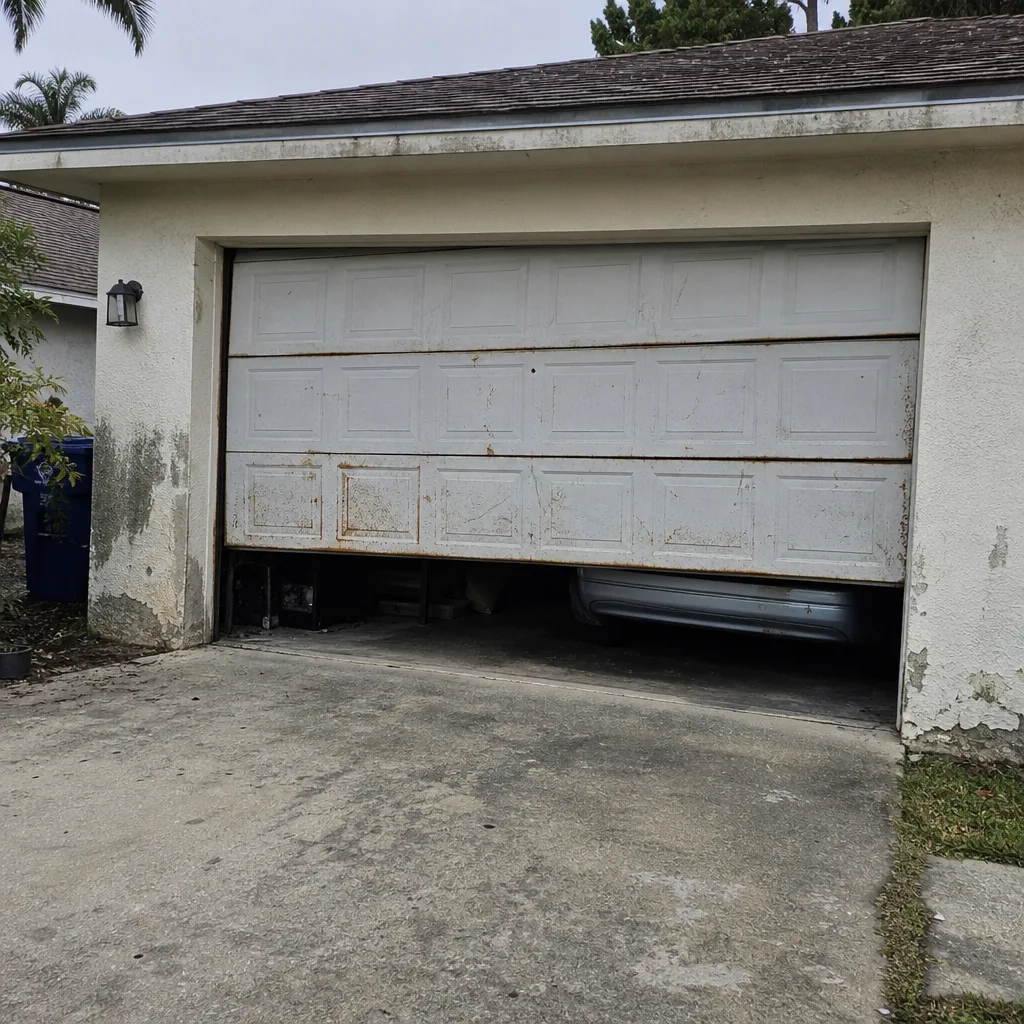 Before
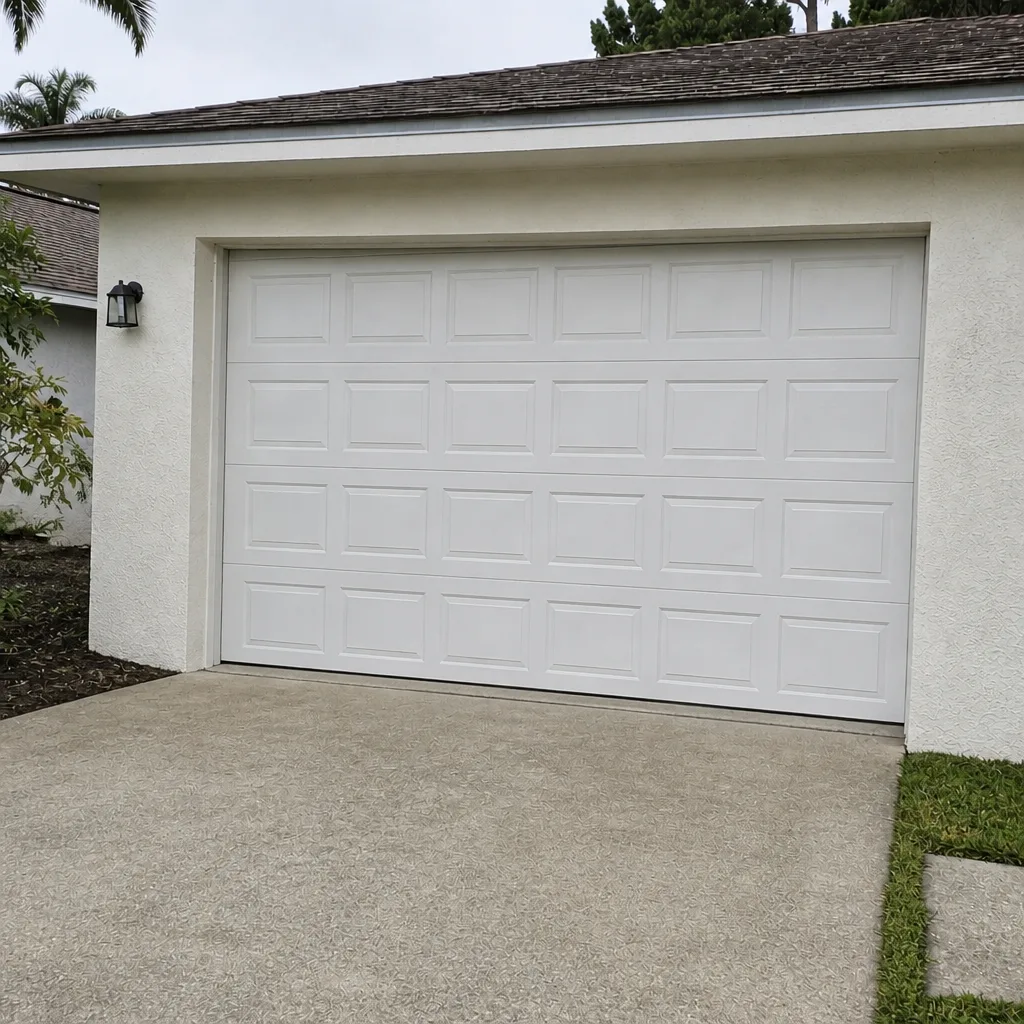 After
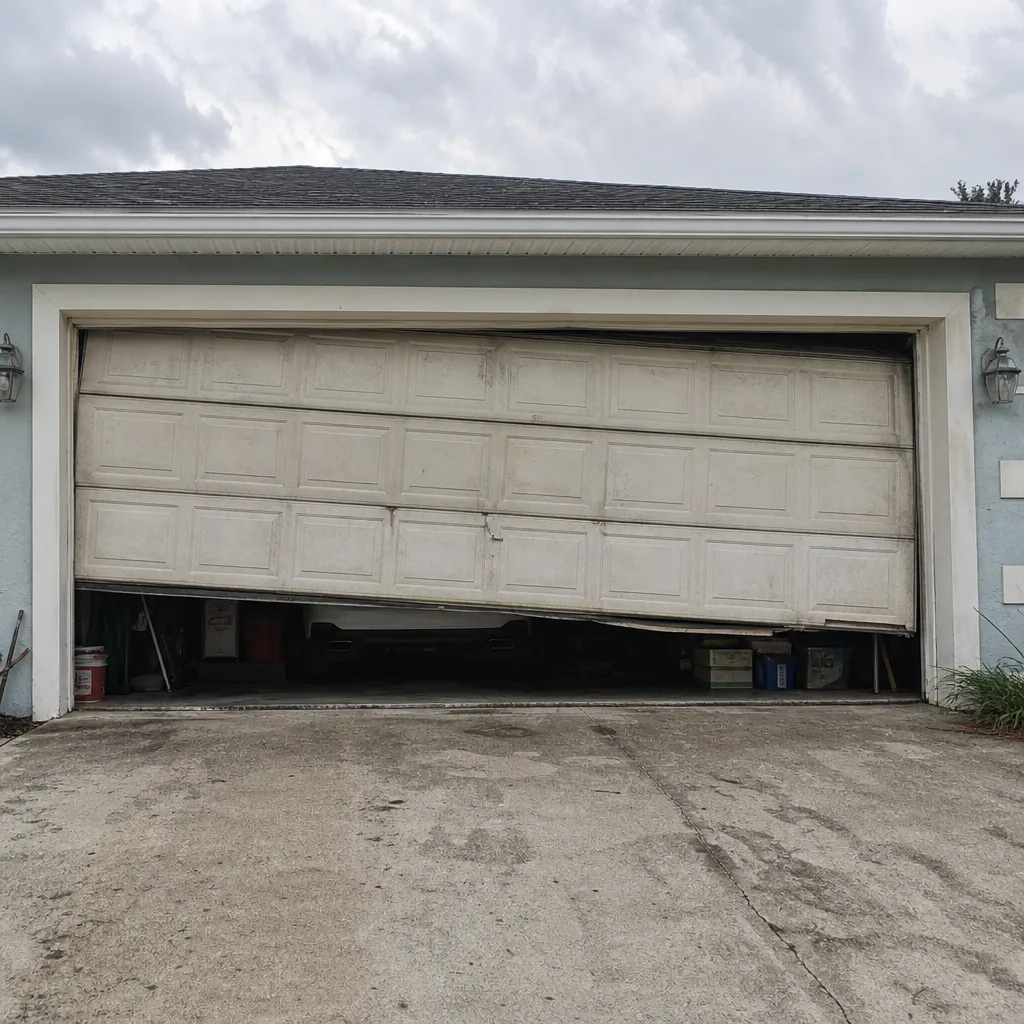 Before
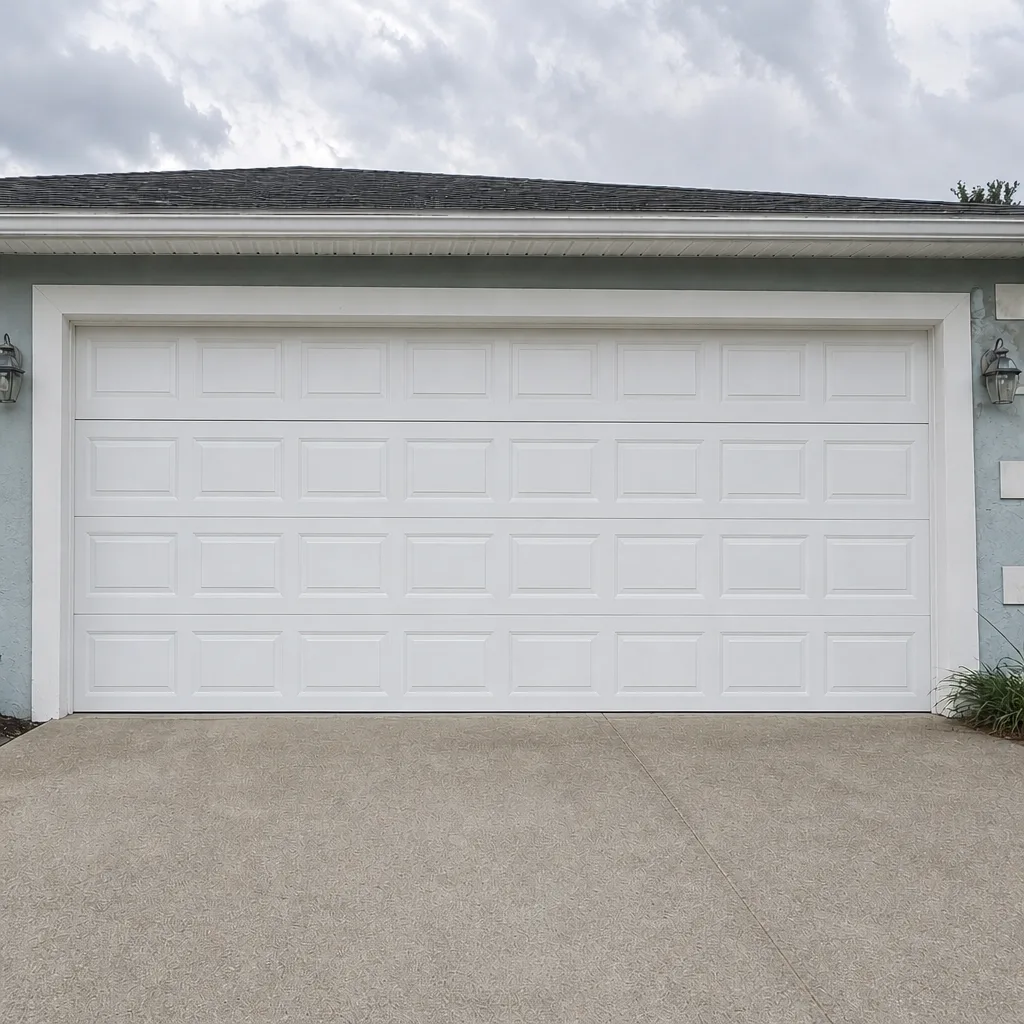 After
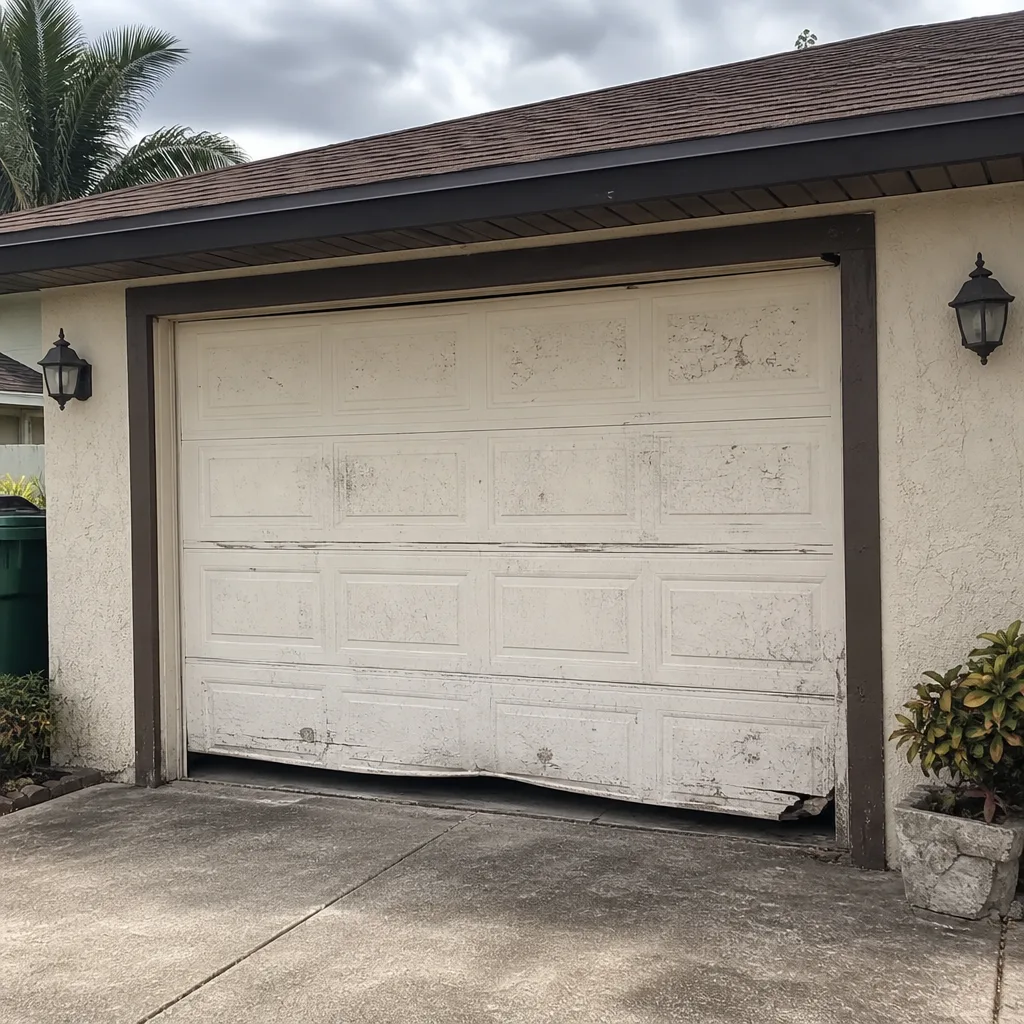 Before
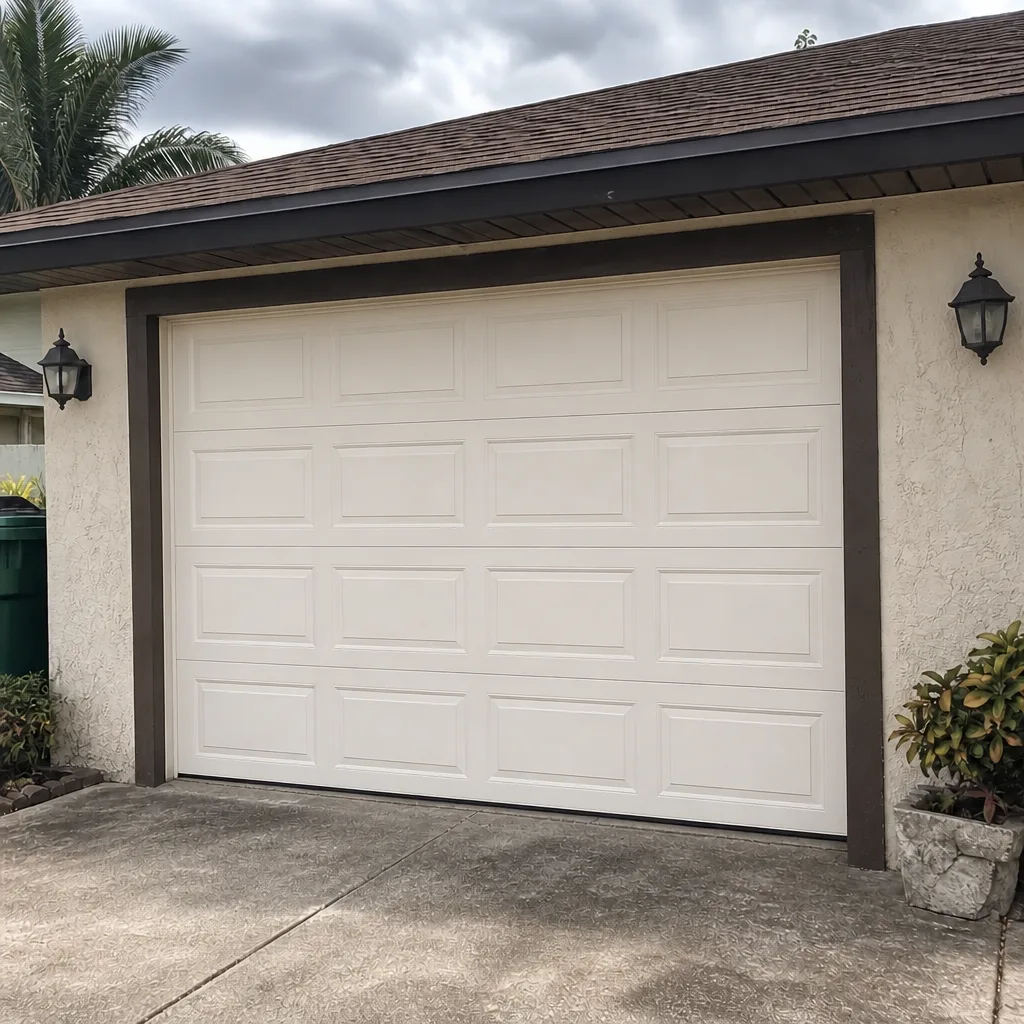 After