Last updated November 21, 2026
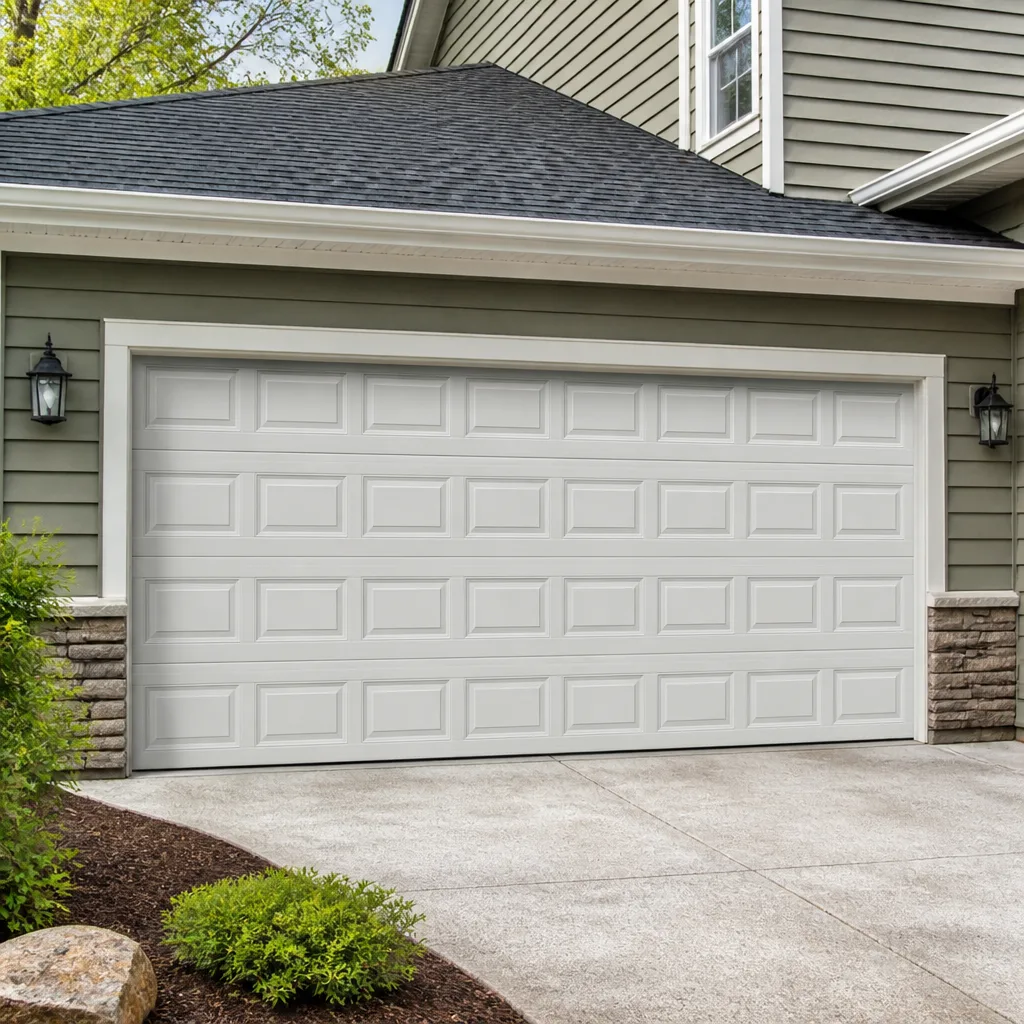 Raised-panel steel
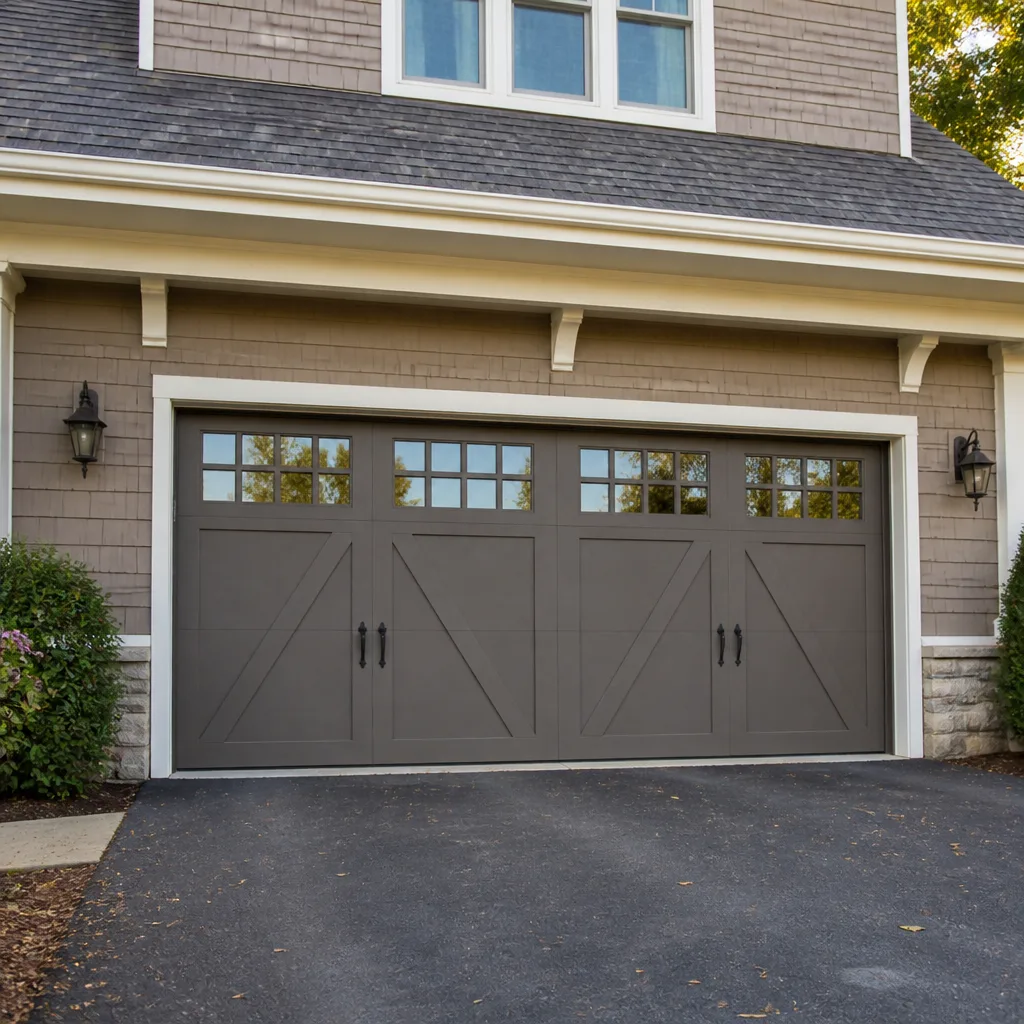 Carriage house
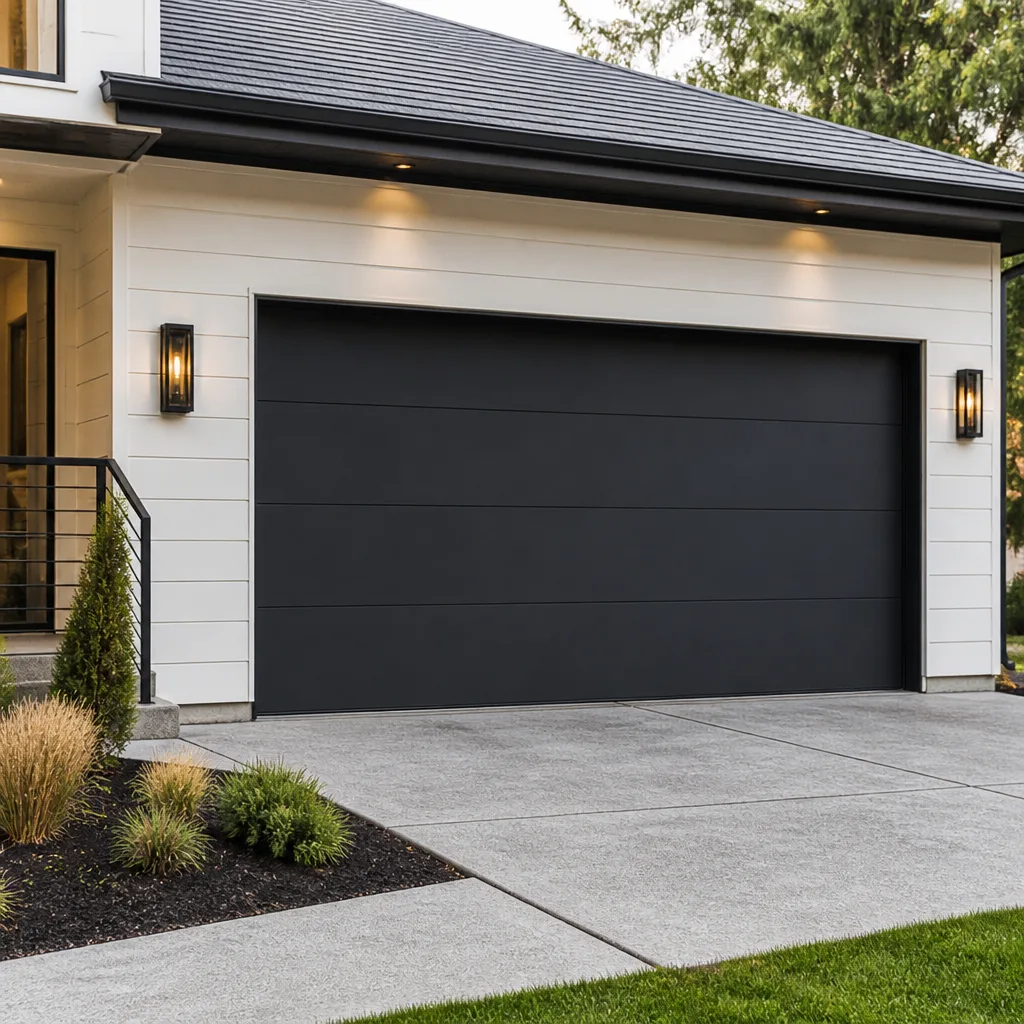 Modern flush
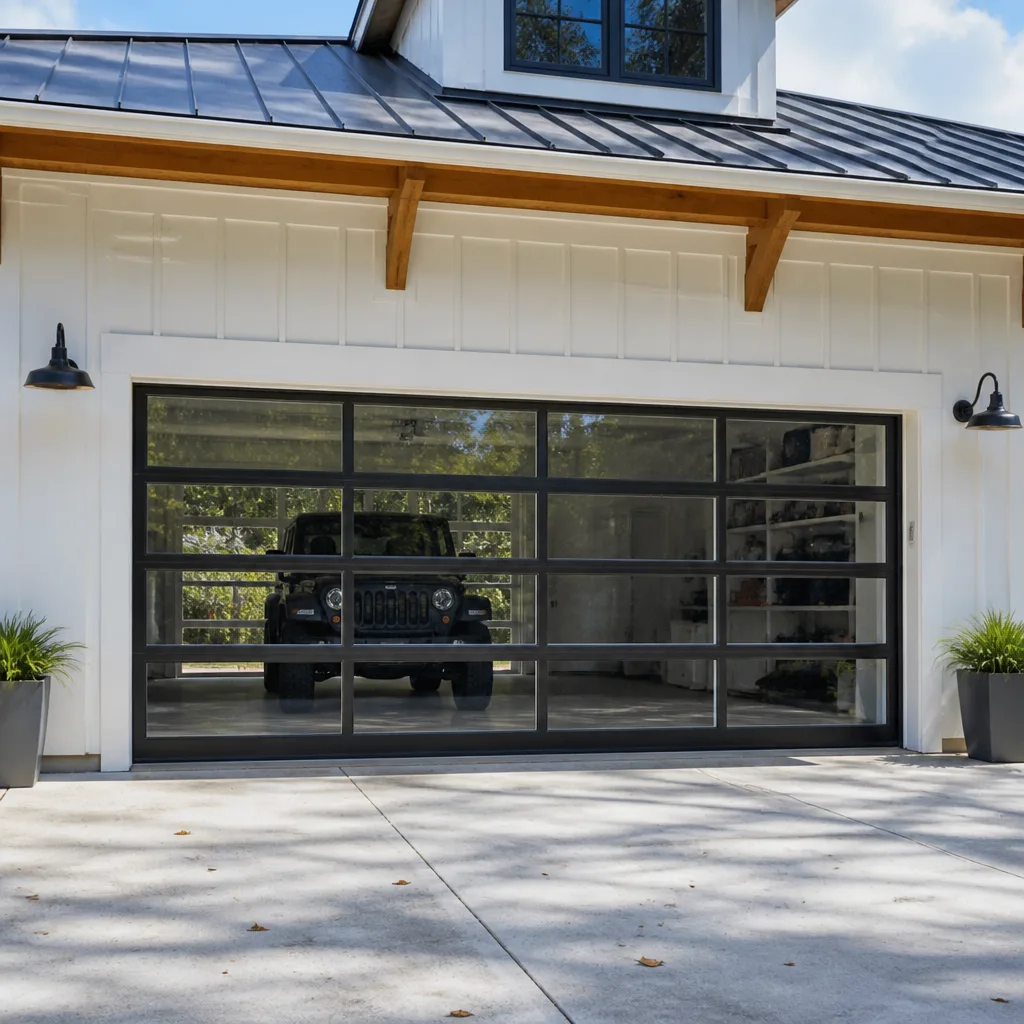 Full-view glass
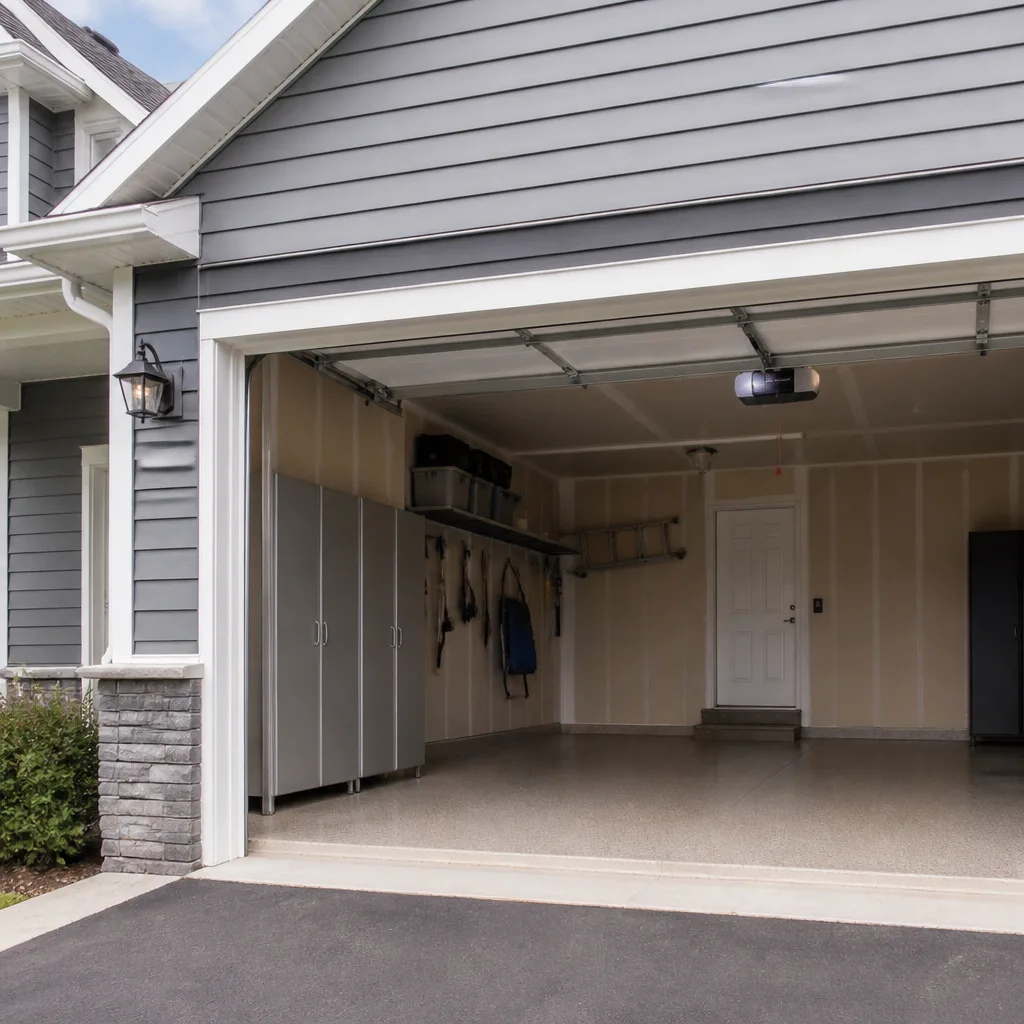 LiftMaster openers
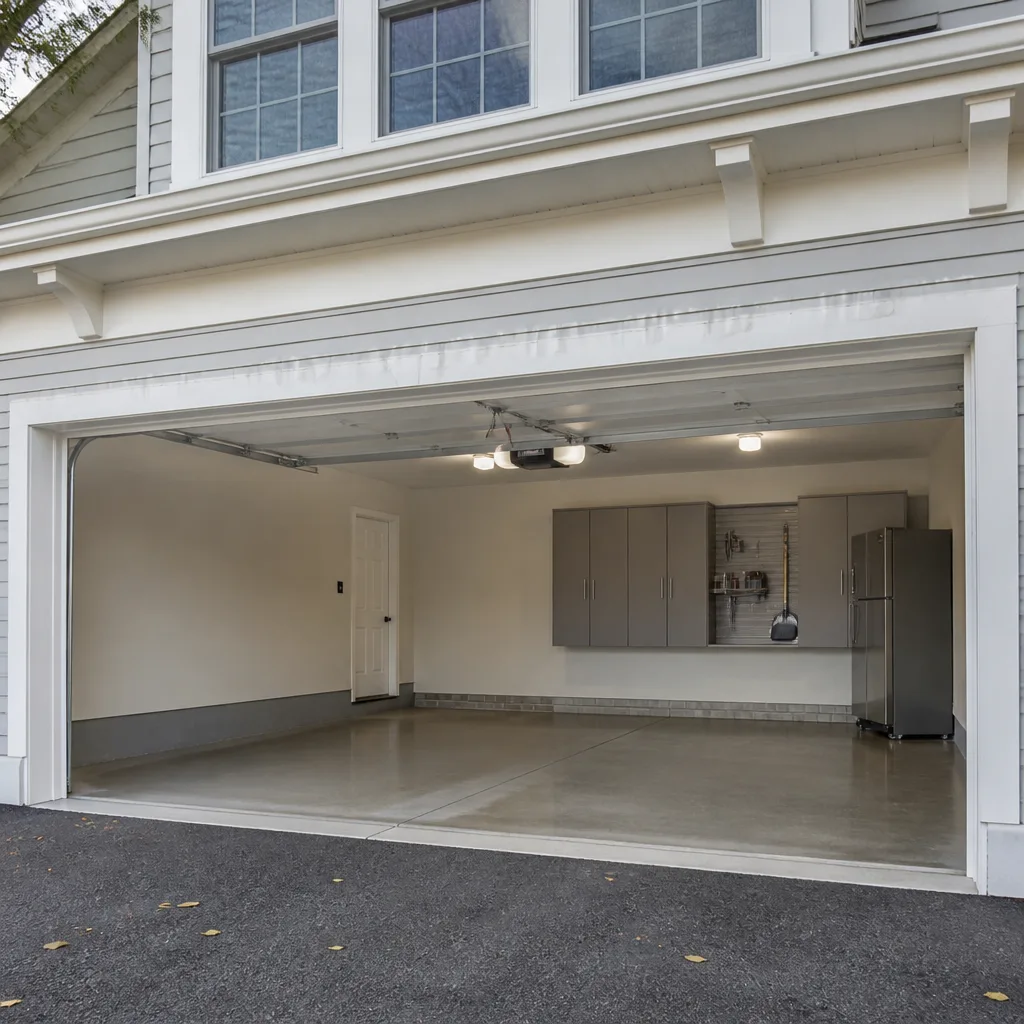 Chamberlain openers
Full 25-point door and opener safety check with every visit - springs, cables, rollers, tracks, and your LiftMaster or Chamberlain opener included
You get a price before we start. It does not change when the pro arrives.
Get your free estimateGarage Door Repair Maintenance Checklist for Cape Coral Homeowners
Most garage door advice floating around online was written for a four-season climate. It assumes snow, ice, and months of dormancy. Cape Coral doesn’t work that way. Your door cycles more than a thousand times a year between school runs, groceries, boat trailer shuffles, and the daily grind of a house where the garage is often the main door. The enemy here isn’t cold. It’s humidity, heat, and the sheer repetition of a door that never gets a real off-season.
This guide gives you a component-by-component checklist built for Cape Coral – what to inspect, in what order, what each part looks like when it’s about to fail, and what to do before hurricane season. You’ll also get a lubrication guide that saves you from the most common mistake we see, plus a 12-month calendar mapped to how your door actually lives here, not to a northern winter.
Quick Answer
A complete garage door maintenance check in Cape Coral covers seven things: springs, cables, rollers, tracks, hinges, weather seals, and the opener. Inspect spring tension and look for gaps in the coil on a monthly walk-by, check and lubricate the moving metal parts and rollers with a silicone or lithium-based product (never WD-40), test the auto-reverse safety feature every month, and do a full pre-hurricane-season check before June 1st. Anything involving springs or cables calls for a trained technician, never a DIY attempt.
Styles & brands we work with
- Raised-panel steel
- Carriage house
- Modern flush
- Full-view glass
- LiftMaster openers
- Chamberlain openers
Table of Contents
- Why a Cape Coral Door Needs Its Own Checklist
- The Lubrication Guide: What Works Here and What Doesn’t
- Component-by-Component Inspection Protocol
- The Pre-Hurricane Season Checklist (Before June 1st)
- Opener Maintenance by Drive Type
- The 12-Month Cape Coral Maintenance Calendar
- Common Mistakes to Avoid
- When to Call a Professional
Why a Cape Coral Door Needs Its Own Checklist
Take a standard maintenance list written for a northern homeowner. It probably tells you to check for ice buildup, clear snow from the bottom seal, and prepare the door for winter months when it barely moves. None of that applies in Cape Coral. What applies instead is the opposite problem: a door that stays in near-constant motion, in warm humid air, year-round.
Cape Coral’s climate puts a specific kind of stress on a garage door system. The humidity is high enough that untreated metal components develop surface oxidation faster than they would in a dry climate. Rubber weather seals get cooked by sun on the door face, then dampened by afternoon storms, then dried again – a cycle that makes them crack and stiffen more quickly than a seasonal seal up north. And the heat inside a garage can climb well past the outdoor temperature, which affects how lubricants behave and how opener electronics manage their workload.
Add to that the way Cape Coral homes actually use their garages. Many floor plans route the primary entry through the garage. That means the door opens and closes far more often than in a home where the front door is the main path. More cycles per day means faster wear on every moving part, especially the springs, rollers, and hinges.
So a Cape Coral maintenance plan prioritizes:
- Cycle count over calendar time. A door in daily heavy use needs attention sooner than the calendar suggests.
- Moisture-tolerant lubrication. Standard oils can wash or thin out faster in humid air.
- Sun exposure on rubber and paint. Weather seals and finishes take the hardest hit on the sunny side of the door.
- Storm preparation. Hurricane season stress is real, so the pre-season check is part of the annual plan, not an afterthought.
If your door is showing signs of any of this – a tired hum from the opener, a rough slide, a seal pulling away from the frame – a proper garage door repair visit will diagnose it faster than a general handyman can. Our technicians have up to 12 years of experience and work across eight name-brand systems.
The Lubrication Guide: What Works Here and What Doesn’t
Here’s the belief that does the most damage: that WD-40 is a good garage door lubricant. It isn’t, and in Cape Coral’s humidity it’s worse than elsewhere. WD-40 is a solvent-based product – it loosens rust and displaces moisture, but it also strips the existing lubricant off the parts it touches. Once that factory grease is gone, the bare metal is more exposed than before. In humid air, exposure means surface oxidation starts within weeks on rollers, hinges, and pivot points. What you gain in a temporary smooth feel you lose in long-term wear.
A good garage door lubricant does three things: it clings to metal, it resists moisture, and it doesn’t attack rubber. Here’s what to reach for and what to leave on the shelf.
What to use
- Silicone spray lubricant. Best all-around choice for the moving parts. It doesn’t degrade rubber seals, it holds up in humidity, and it stays on the rollers and hinges. It’s the safest for anything that touches the weather seal.
- White lithium grease. Excellent for the opener’s drive chain and for the opener rail. It clings well and holds up in warm air. Use it sparingly – a thin film is enough, and too much attracts dust.
- Dedicated garage door lubricant. Silicone or lithium-based products made specifically for garage doors are formulated to protect metal and remain stable in heat. Good option if you don’t want to think about it.
What to avoid
- WD-40 (and any solvent-type spray). Strips existing lubrication. Use it only for cleaning rust off a part, never as a final lubricant.
- Petroleum-based oils and greases on rubber parts. They can soften and degrade the weather seal and plastic rollers over time. If you’re not sure what a part is made of, use silicone.
- Cookware sprays and household oils. They feel slick for a day, then attract grime and gum up. In Cape Carol’s humid air, the gummy residue gets worse.
Apply lubricant to hinges, roller stems (not the rollers themselves), the torsion spring coil (light silicone only), the opener rail, and the opener chain. Wipe off excess. Do this once a year for most homes, twice if the door cycles heavily. It’s the single cheapest thing you can do to extend the life of the system, and the most common mistake is using the wrong product.
Component-by-Component Inspection Protocol
This is the heart of the checklist. Each part has a specific failure indicator – not just “check springs,” but what a fatigued spring actually looks like and when to stop touching it and call a technician. Work through these in order. The order matters: start with the parts that can hurt you if they fail, and finish with the parts that just affect comfort.
1. Torsion springs and extension springs
Springs do the heavy lifting – literally. They counterbalance the door’s weight so your opener only provides the nudge. When they fatigue, the door gets harder to lift, the opener works harder, and eventually the door won’t open or drops without warning. A tired torsion spring often shows a visible gap between the coils rather than sitting tight and even. An extension spring can show a stretch in the coil or a small hook separation. If you see either, stop operating the door and have a technician look at it. Springs are under dangerous tension, and adjusting or replacing them is not a surface-level repair. Spring failure is a safety issue, not just an inconvenience.
2. Cables
Cables run under high tension alongside the springs. Look for fraying, kinks, or rust. A single broken strand is a warning sign; a snapped cable means the door is unsecured. Do not attempt to adjust or handle cables yourself – if one looks suspect, leave the door closed and call us.
3. Rollers
Most doors use either plastic or metal rollers along the track. Rollers wear smooth, then flat-spot, then rattle and bind. Run the door slowly and listen. Squealing usually means a dry roller stem – lubricate with silicone. Flat spots, cracks, or a wobble mean the roller needs replacement. A single bad roller puts extra strain on the track and hinges.
4. Tracks
In Cape Coral’s humid air, tracks can develop surface rust and light oxidation on the inside channel. Inspect for dents, bends, or anything that pulls the track out of alignment. Feeler gauge test: with the door closed, the gap between the roller and the track should be consistent top to bottom. Clean the track with a dry cloth, apply a light silicone spray, and never grease the track itself – grease attracts dust and grime that makes the rollers bind.
5. Hinges
Hinges connect the door panels and pivot as the door travels. Look for loose screws, rust at the pivot points, or metal that has worn thin. A loose hinge makes the door flex, which strains the panels and the opener. Tighten any loose screws and apply a small amount of silicone to each pivot. If a hinge is cracked or frozen, it needs replacement – and that’s a parts-and-labor job we handle on the same visit.
6. Weather seals and bottom astragal
The bottom seal keeps water, insects, and the heat out. In Cape Coral, UV exposure on the sunny side of the door makes this the fastest-wearing part of the system. Look for cracking, stiffening, or a gap between the seal and the floor when the door is closed. A stiff seal also puts drag on the opener. Replacing a bottom seal is one of the quickest fixes and one of the easiest to overlook.
7. The opener and safety reverse
Do a monthly auto-reverse test: place a small object like a roll of paper towels on the floor in the door’s path, close the door, and confirm it reverses on contact. If it doesn’t, stop using the door and have the opener serviced immediately. This is a safety-critical function and the single most important test in the whole checklist.
The Pre-Hurricane Season Checklist (Before June 1st)
Hurricane season ramps up in June, and a garage door is one of the largest openings in your home. A door that’s working fine in April can be the weak point in a storm if a hinge is loose, a track is misaligned, or the opener fails under the extra load of a reinforced door setup. That’s why we tell Cape Coral homeowners to run this check before June 1st every year, not in the middle of the season when you’re trying to schedule a repair during a storm watch.
Here’s what to verify, tighten, test, and document before the season starts:
- Verify spring tension. Lift the door halfway by hand (with the opener disconnected) and let go. A well-balanced door stays put. If it drops or rises on its own, the spring balance is off and needs professional adjustment before storm season.
- Check and tighten every bolt and hinge. Wind exerts different loads on a door than normal use. Walk the panel edges and tighten all visible fasteners. Loose hardware can pull free under storm load.
- Inspect the weather seal and seal gaps between panels. If there’s daylight or a draft around the perimeter, storm-driven rain and wind can get in. Replace cracked seals before June.
- Test the opener’s safety reverse and force settings. Confirm the door responds correctly to the safety sensor and doesn’t fight the extra weight of a reinforced setup.
- Confirm your door’s wind rating if it has one, and know your system’s intended storm setup. If your door was installed with a hurricane rating, review the manufacturer’s guidance for storm conditions. Don’t assume more bracing is better without checking the system.
- Document the current condition. Note the model of your door and opener, take a few photos of the mechanism, and keep any manual or warranty paperwork with it. If a storm damages the door, you’ll have a baseline.
- Schedule a professional check if anything feels off. A pre-season tune-up is far less stressful than a mid-season repair. Free estimates are available in Cape Coral.
If your door needs parts to get through the season – a stronger hinge, a fresh bottom seal, an opener that can handle the load – we source those parts as part of the visit. You won’t be sent to a big-box store mid-repair.
Opener Maintenance by Drive Type
Not all openers need the same care. The three common drive types – belt, chain, and screw – wear differently, and in Cape Coral’s heat each one has its own thing to watch. Knowing which one you have changes what you should check.
Belt drive openers
Belt drives are the quietest option and the most common in newer homes. The belt itself is a rubber-and-steel composite that can stiffen and stretch in heat. Check the belt tension at least once a year – it should feel firm without being banjo-tight. In warm garages, a slightly loose belt starts to slap and squeal before it fails. If your opener is a garage door opener repair candidate, belt tension and pulley wear are often the culprits. A Genie or Chamberlain belt unit that suddenly gets noisy is usually telling you the belt is stretching.
Chain drive openers
Chain drives are the workhorses – noisier but very durable. The chain needs lubrication with white lithium grease once a year. In Cape Coral’s humid air, an unlubricated chain develops surface rust and starts to chatter. A chain that’s too tight strains the motor; too loose and it skips. Check the slack against the manufacturer’s spec and lubricate the full length with a thin coat.
Screw drive openers
Screw drives use a threaded rod that needs periodic greasing – the manufacturer’s grease, not a generic oil. Over-greasing is the common mistake; the rod only needs a light film. Listen for a grinding or whining sound, which usually means the screw is under-lubricated or the carriage nut is worn. If your opener is a Craftsman or LiftMaster screw unit and the noise changes, this is where to look.
Across all three types, keep the safety sensors aligned and clean, and check the manual release (the red cord) works smoothly. If your opener is a smart-home model – a LiftMaster or Chamberlain with app connectivity, or a Genie with a smart hub – confirm the app connection and battery in the sensor are still working. A smart opener that loses connectivity during a storm isn’t much help. Technicians trained on your specific brand diagnose by the behavior of that brand, not by trial and error.
The 12-Month Cape Coral Maintenance Calendar
Northern maintenance calendars have four seasons. Cape Coral really has two: the drier, milder stretch (roughly November through May) and the hot, wet, storm-heavy stretch (June through October). Your door’s needs follow that rhythm, not the calendar printed in a brochure written for Minnesota. Here’s the schedule we recommend.
Monthly (all year)
- Visual walk-by: look for spring gaps, a sagging door, or a bottom seal pulling away.
- Auto-reverse safety test with an object in the path.
- Listen for new noises – a squeal, a rattle, a grinding sound.
- Clear debris from the tracks and check the safety sensors aren’t obstructed.
Before hurricane season (before June 1st)
- Full pre-hurricane checklist above: springs, bolts, seals, opener, and documentation.
- Schedule a professional tune-up if anything is uncertain. Better in May than mid-storm.
Start of the dry season (October-November, after storm season)
- Post-storm inspection: check for wind damage, water intrusion, and misalignment.
- Lubricate all moving parts with silicone or white lithium after the wet months.
- Check weather seals for storm wear and replace any that are cracked.
Once a year (pick a month and stick to it)
- Full lubrication pass: hinges, roller stems, springs (light silicone), opener rail, and chain.
- Check and adjust the opener’s force and travel limits.
- Inspect the bottom seal and panel finish for sun and humidity wear.
- Have a professional check spring balance and cable condition.
In our experience, the doors that last longest in Cape Coral are the ones where the homeowner does the monthly walk-by and calls for professional service at the first sign of a problem, rather than waiting for a failure. For more help on the repair side, our team at Garage Door Repair Cape Coral Pros can walk you through what you’re seeing.
Common Mistakes to Avoid
- Using WD-40 as lubricant. It strips existing grease and leaves metal more vulnerable to humidity-driven oxidation. Use silicone or white lithium instead.
- Greasing the tracks. Grease in the track channel attracts dust and grime, then the rollers bind worse. Tracks get a dry wipe and a light silicone spray at most.
- Trying to adjust or replace springs yourself. Springs and cables hold stored energy that can cause serious injury in a fraction of a second. Leave these to trained technicians, always.
- Ignoring the auto-reverse test. It’s the single most important safety check, and skipping it because the door seems fine is how people get hurt. Test monthly.
- Over-tightening the opener chain. A over-tight chain strains the motor and can wear the sprockets. Follow the manufacturer’s slack spec.
- Waiting until June to prepare for hurricane season. Schedule the pre-season check in April or May, not during a storm watch. Wait times get longer as the season ramps up.
- Assuming a noisy door is normal. In Cape Coral’s humid air, a new squeal or rattle is usually a dry part or a failing roller getting worse. Fix it early, before it becomes a repair.
One more that costs people money: calling a general handyman for a spring or opener problem. A generalist who treats garage doors as a side job may not know the brand-specific behavior of your LiftMaster or Amarr system, and may decline the spring job entirely. It’s worth calling a specialist. Our team works on your brand, and if your door was installed as part of a new build or renovation, our garage door installation service should have the full picture.
When to Call a Professional
Some of this checklist you can handle yourself: the monthly language walk-by, the silicone spray on the hinges, the visual check for a sagging door. Other items are not DIY – and knowing which is which protects both your door and you. Call a professional if any of these apply.
Visit a professional when you see a gap in the spring coil, any fraying or rust on the cables, a door that drops on its own after the manual release test, a broken bottom seal you can’t replace easily, an opener that fails the auto-reverse test, a smart opener that won’t connect, or a door that won’t close fully. Also call if the door has been through a storm and anything looks shifted, dented, or misaligned. Garage Door Repair Cape Coral Pros offers free estimates in Cape Coral – call (877) 492-3592. Our technicians have up to 12 years of experience and handle spring repair as a dedicated service, not an afterthought. One call covers the whole system: door panels, opener electronics, springs, and parts.
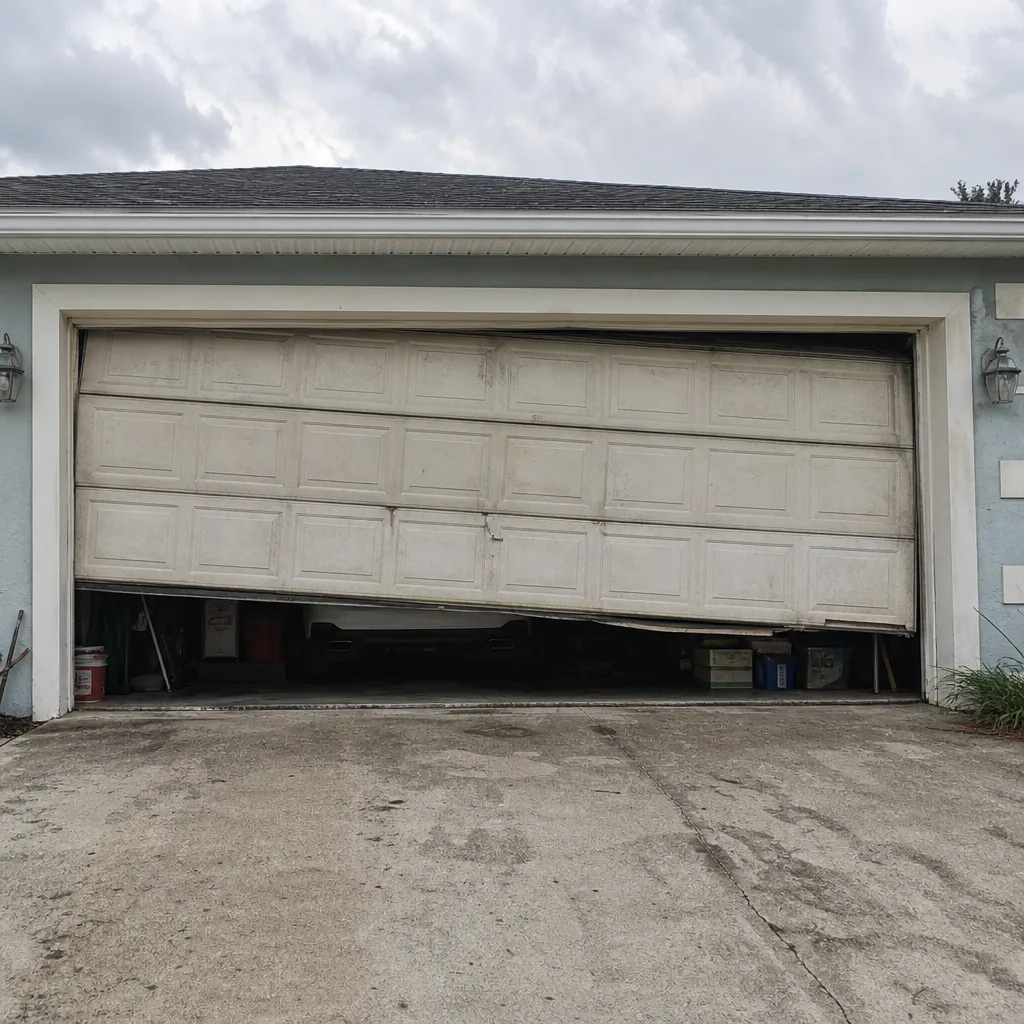
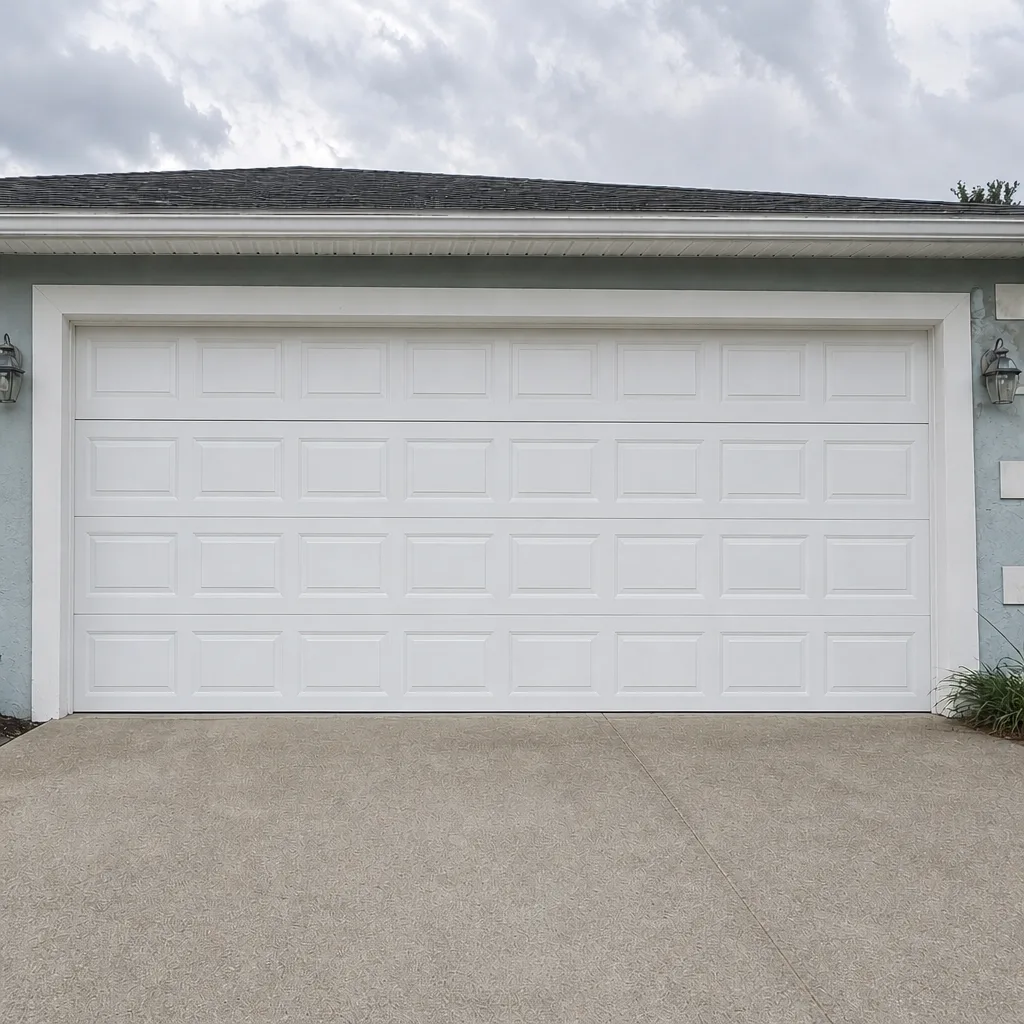
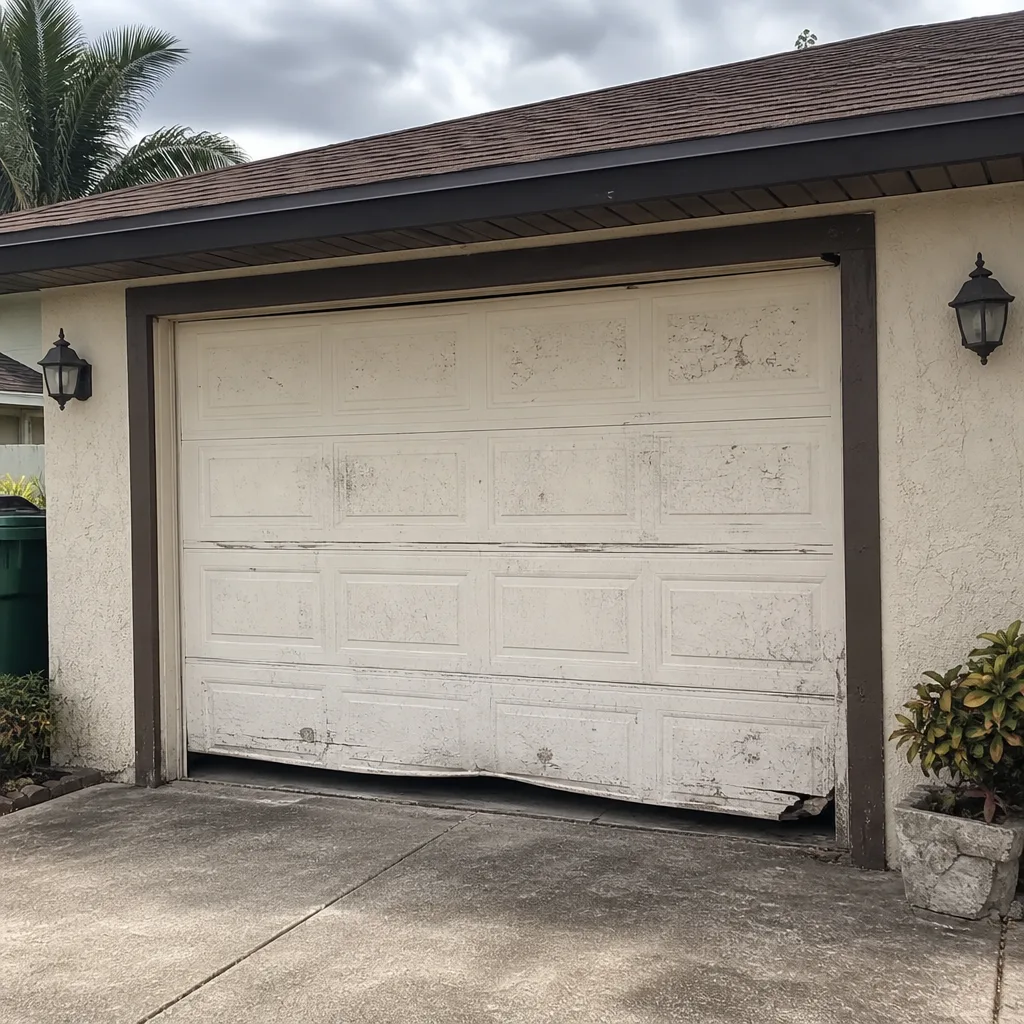
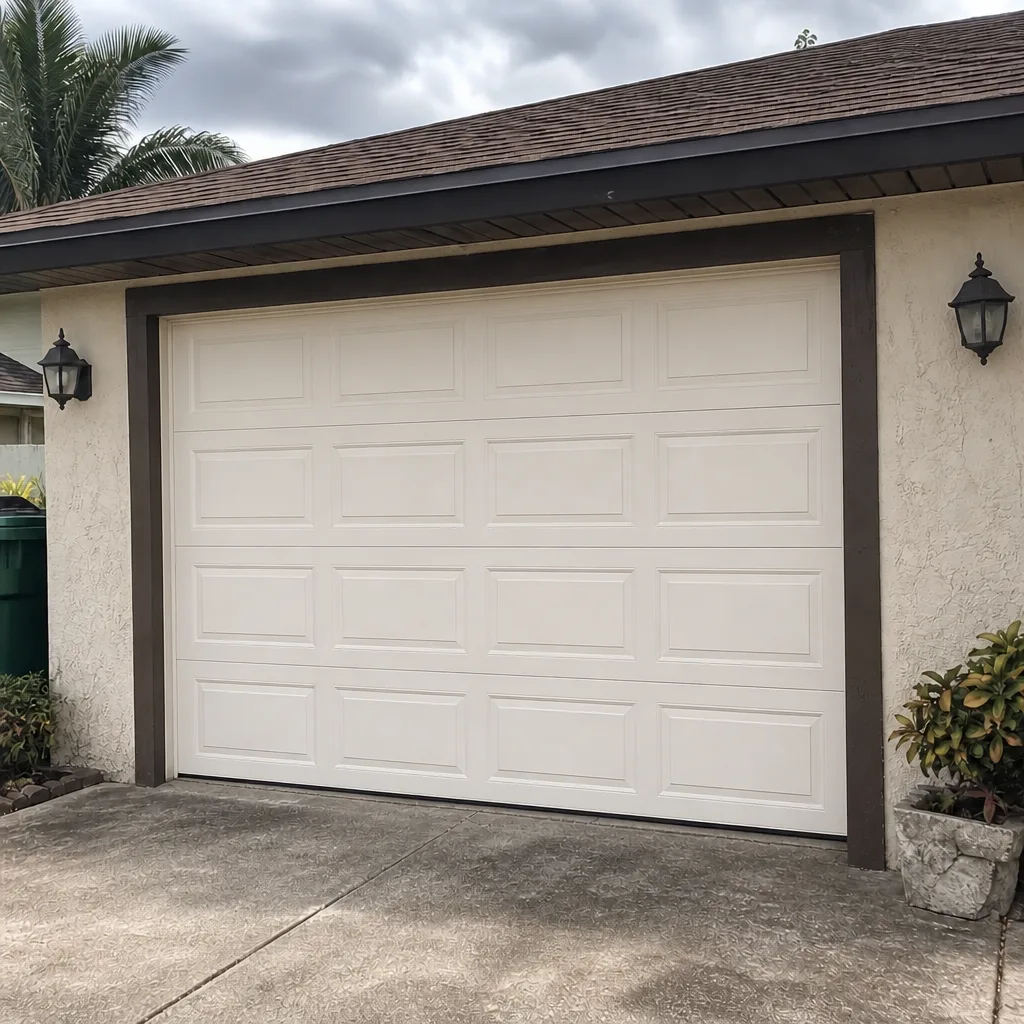
See the difference
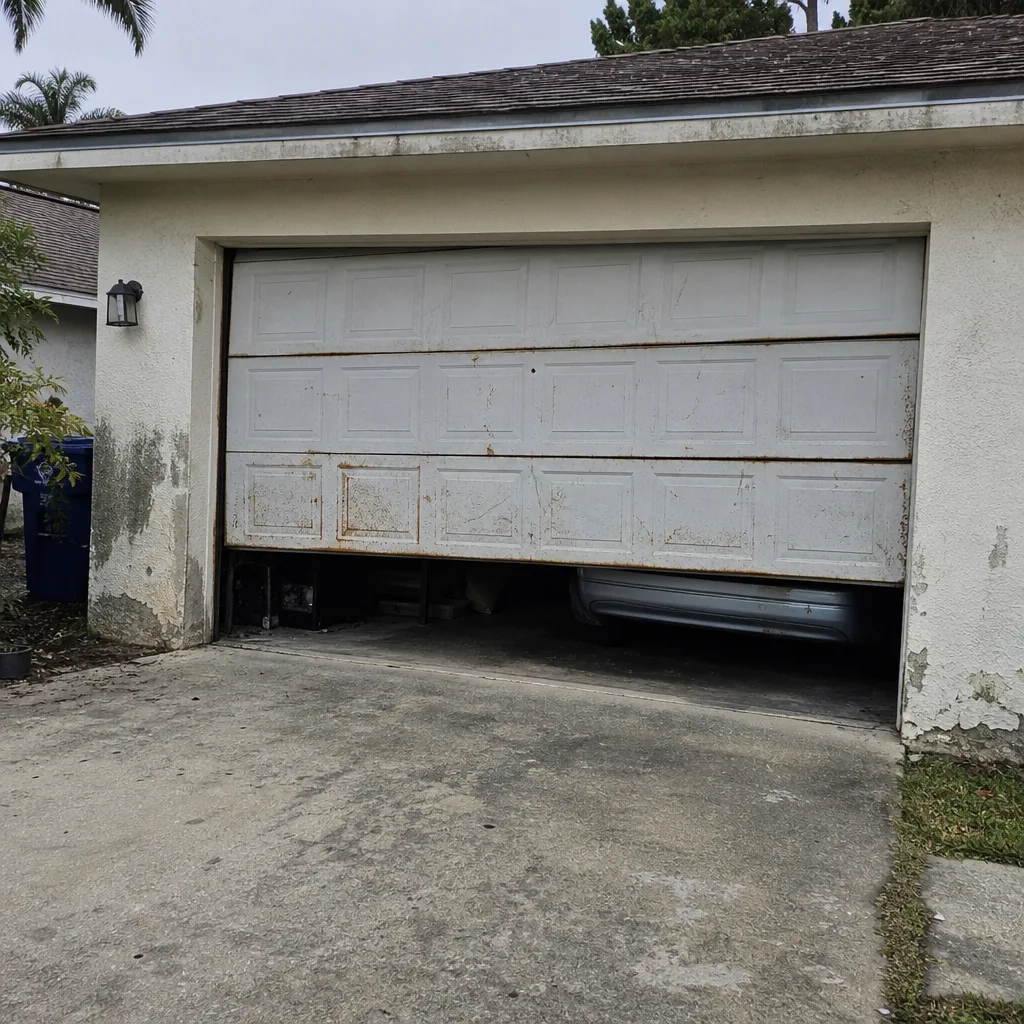 Before
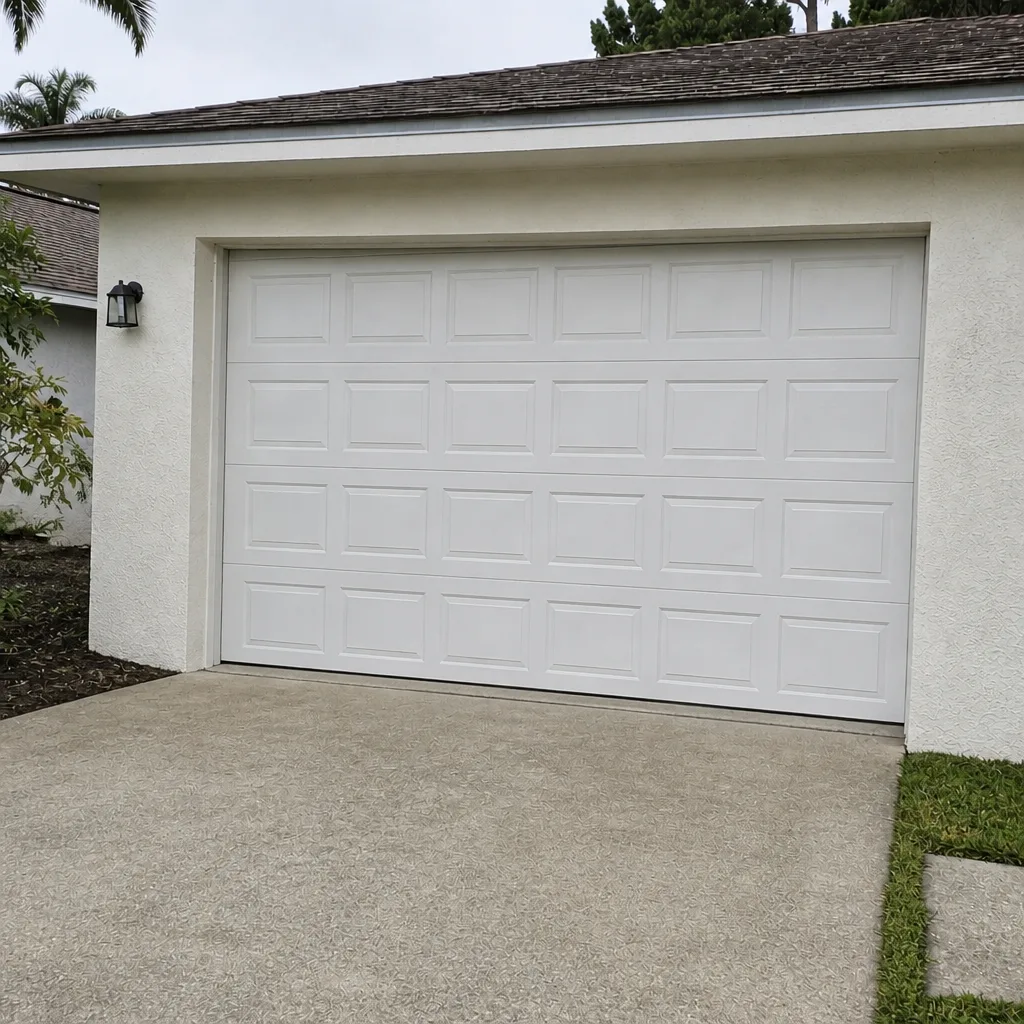 After
 Before
 After
 Before
 After
Frequently Asked Questions
A full professional service once a year is the baseline, plus twice-yearly lubrication if the door cycles heavily. Because Cape Coral homes often use the garage as the main entry, a door here tends to see more cycles than a door in a cooler climate, so the annual service is worth keeping on the calendar. Do the monthly walk-by yourself and call us when anything changes.
Yes, as a lubricant it’s a poor choice. WD-40 is a solvent-based product that strips existing lubrication from the parts it touches, leaving bare metal more exposed to humidity. In Cape Coral’s air, that exposure shows up as surface oxidation within weeks. Use silicone spray or white lithium grease instead.
No, not safely. Springs are under extreme tension and can cause serious injury if they release unexpectedly. Spring repair should always be handled by a trained technician. Our team performs spring repair as a dedicated service and treats it as safety-critical – if a spring looks suspect, we’d rather you call than take the risk.
Before June 1st, check your spring balance, tighten all bolts and hinges, inspect and replace any cracked weather seals, test the opener’s auto-reverse and force settings, note your door’s wind rating and storm setup, and document the current condition with photos. If anything looks off, schedule a professional check in April or May rather than waiting for a storm watch. Call (877) 492-3592 for a free estimate.
Heat and humidity affect several parts at once. Lubricants can thin or migrate, belt drives stretch slightly in warmth, and dry roller stems squeal more. A chain drive with a dry chain will chatter louder as temperatures climb. Lubricate the moving parts with the right product and listen again – if the noise doesn’t go away, a technician can diagnose it by brand.
Yes, we work on LiftMaster, Chamberlain, Genie, Clopay, Amarr, Wayne Dalton, Craftsman, and Raynor systems. That includes legacy openers and current smart-home-connected models, so older homes and newer ones are both covered. One team handles the door, opener, springs, and parts.
The Bottom Line
A garage door in Cape Coral needs a maintenance plan built for heat, humidity, and heavy daily use, not for a northern winter. The essentials stay simple: skip WD-40 and use silicone or white lithium for anything that moves, do the monthly walk-by and auto-reverse test, run the full pre-hurricane check before June 1st, and never touch a spring or cable yourself. Springs and opener problems belong to a specialist – one who knows your brand and carries the parts. If anything on this checklist turns up a problem, or you’d rather have a professional look the whole system over, we’re here. Call (877) 492-3592 for a free estimate in Cape Coral, and we’ll give you an honest read on what needs attention and what can wait.
Written by the team at Garage Door Repair Cape Coral Pros.