Last updated November 21, 2026
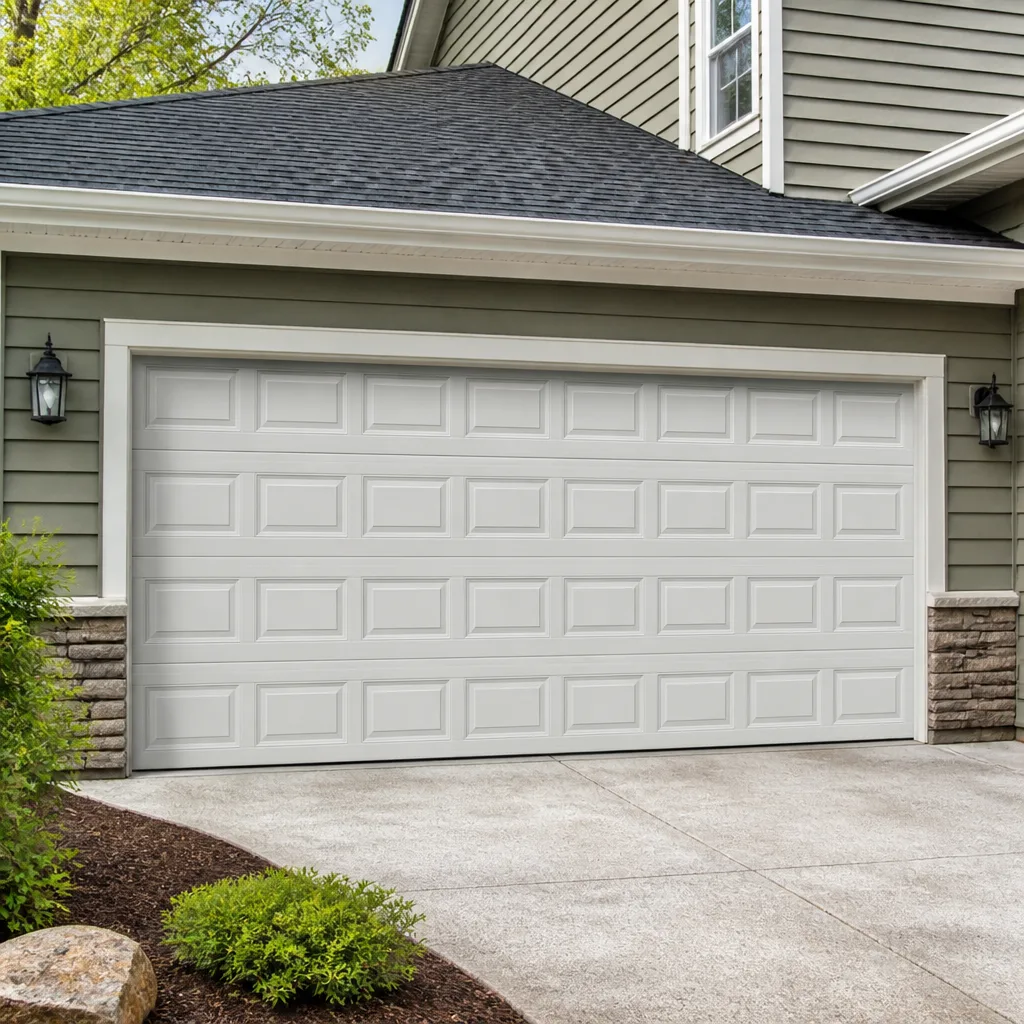 Raised-panel steel
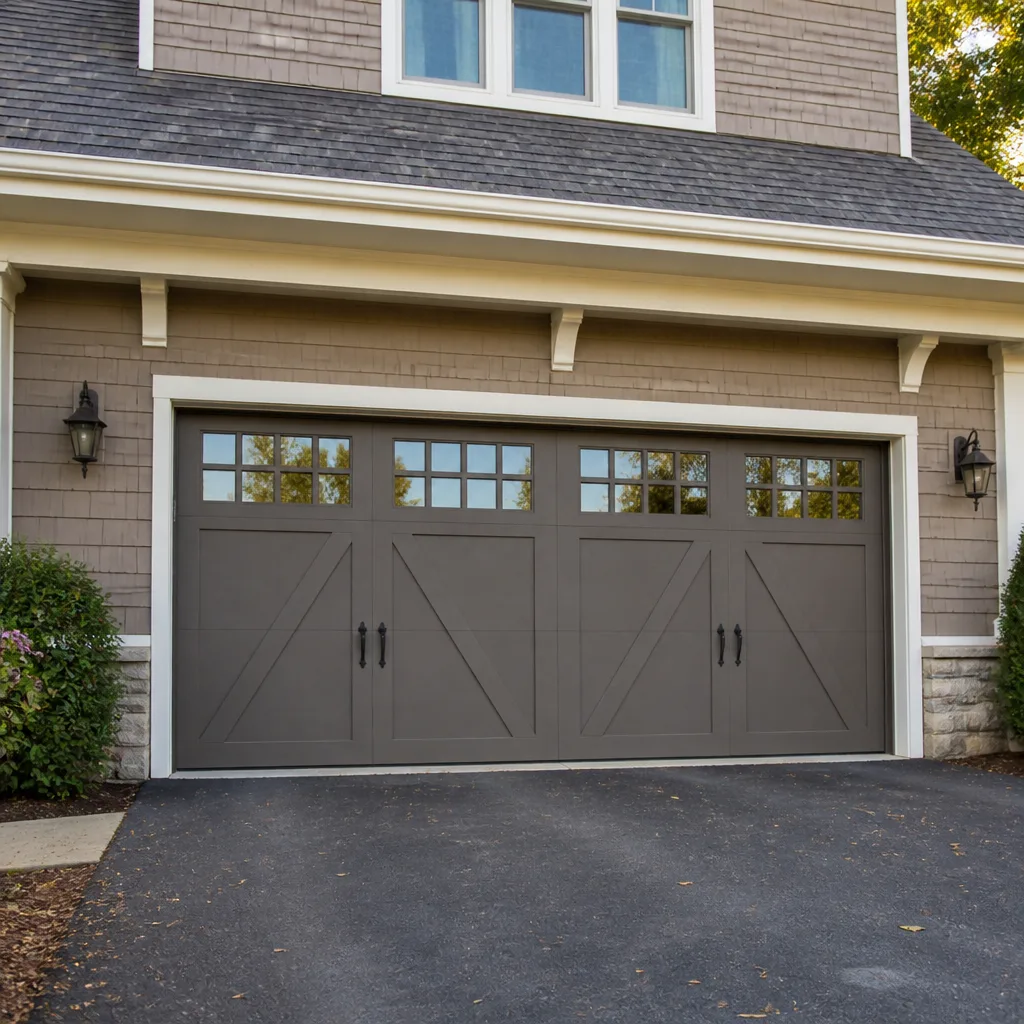 Carriage house
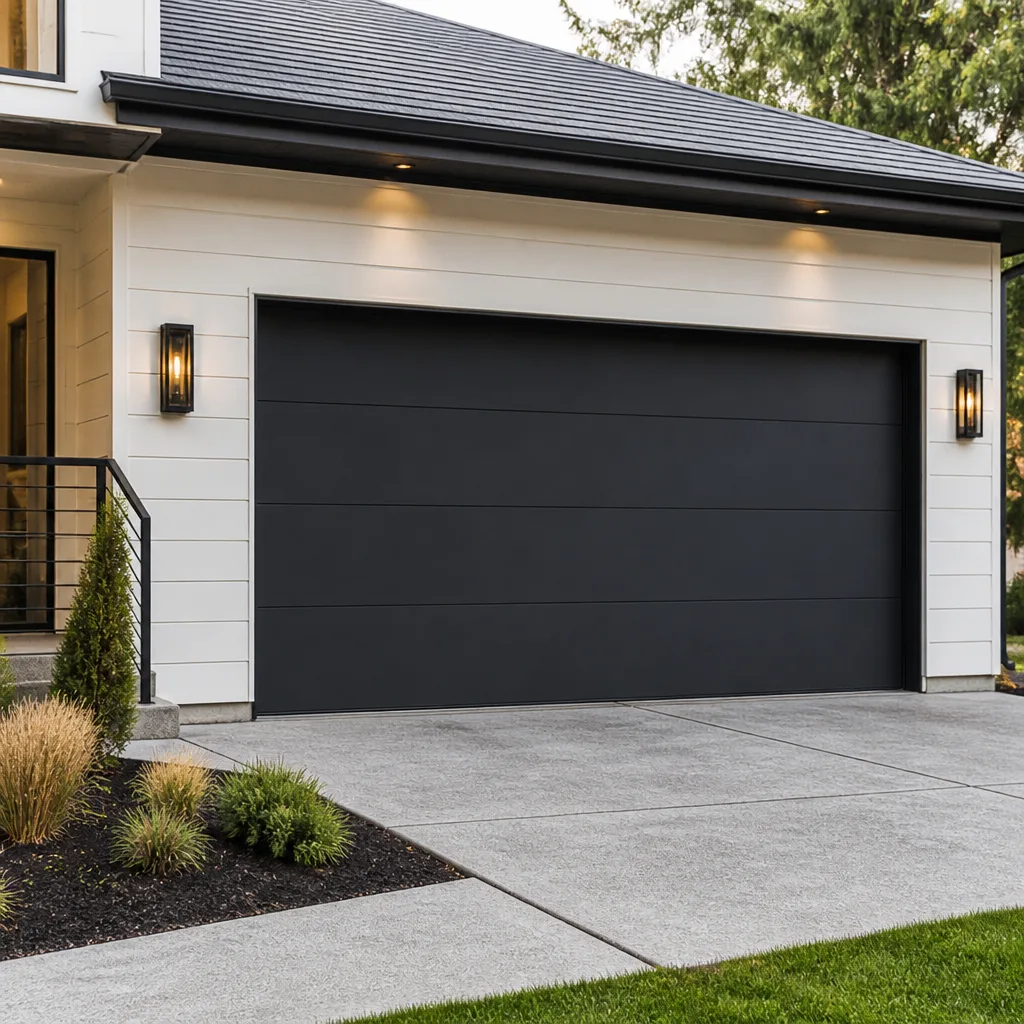 Modern flush
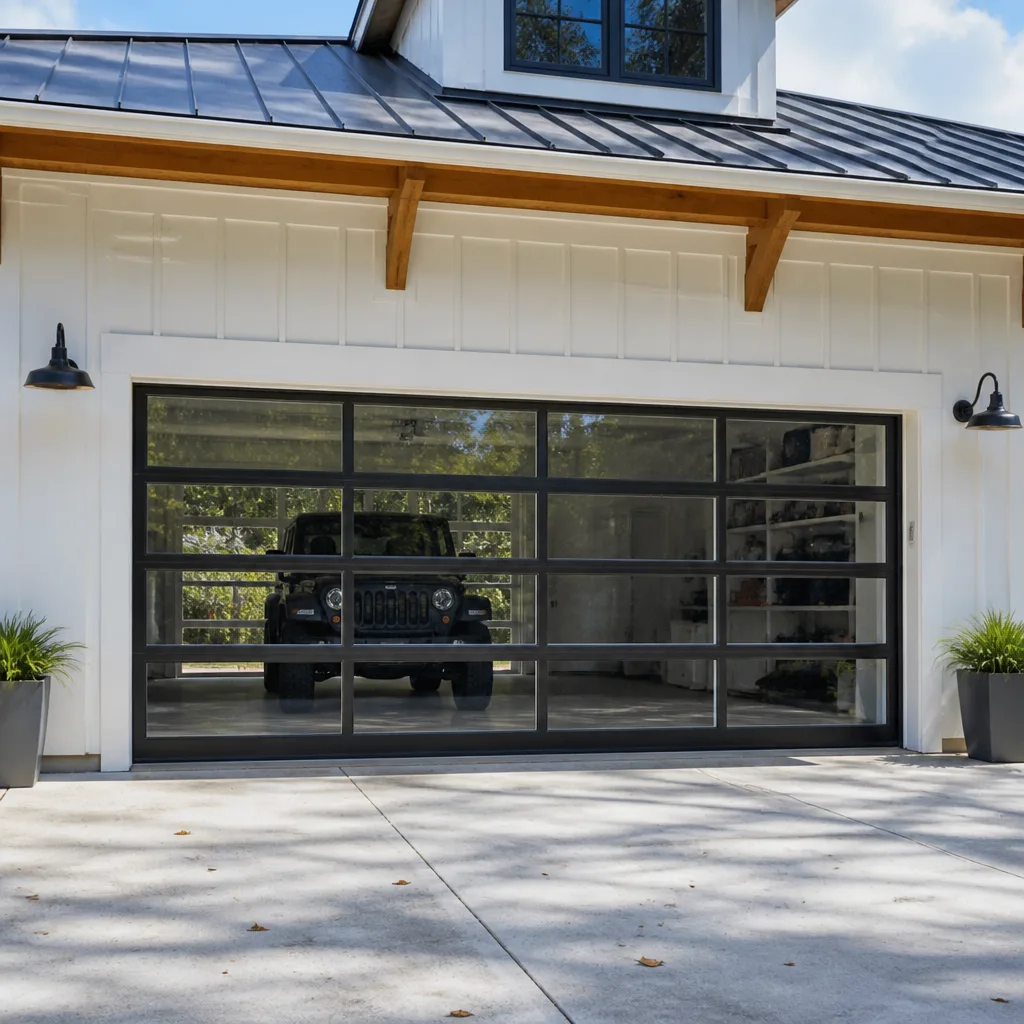 Full-view glass
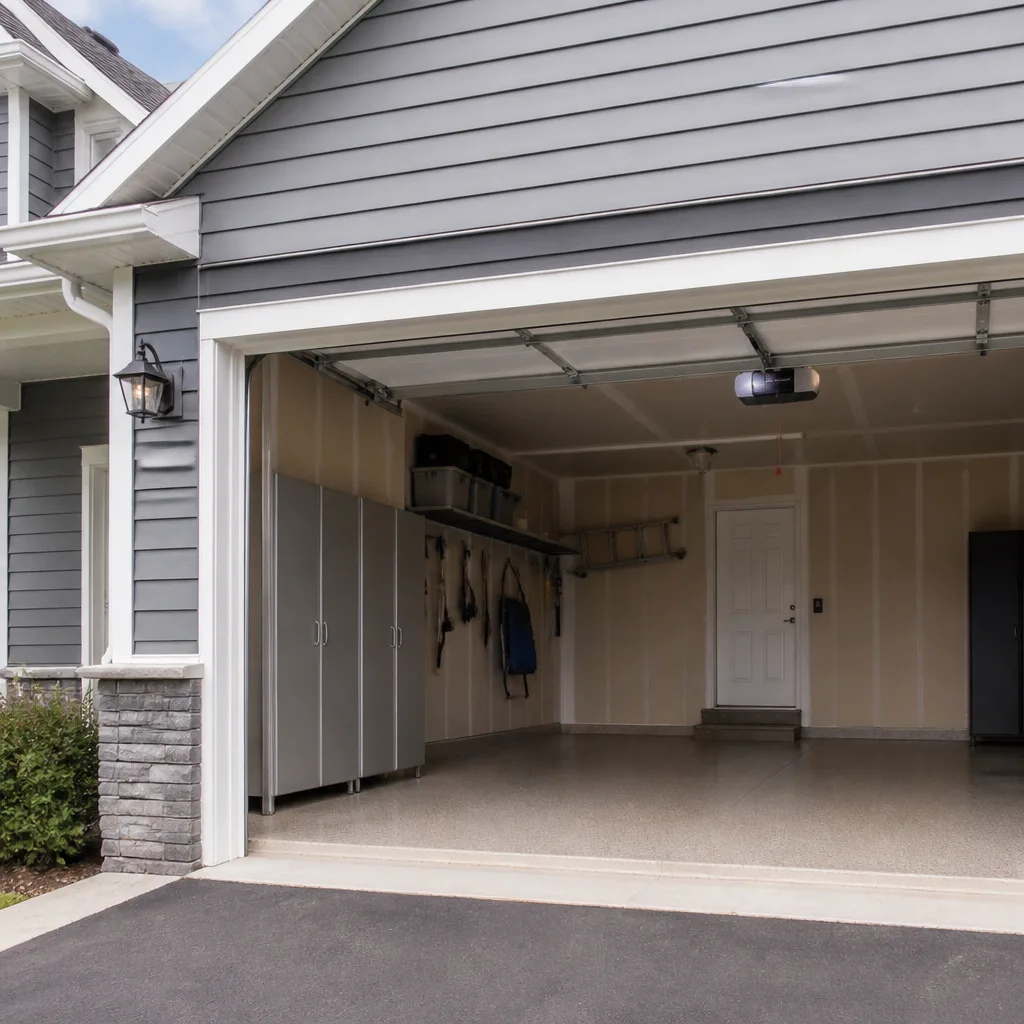 LiftMaster openers
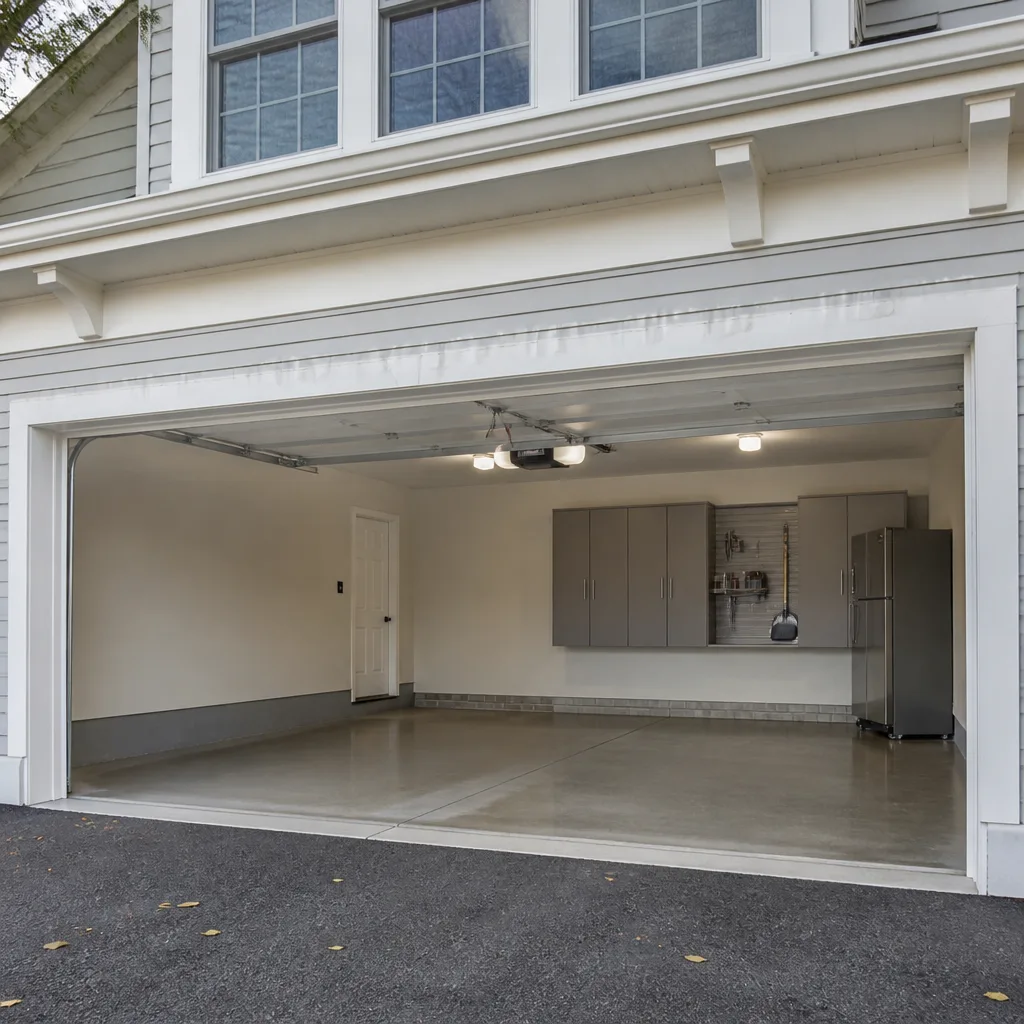 Chamberlain openers
Full 25-point door and opener safety check with every visit - springs, cables, rollers, tracks, and your LiftMaster or Chamberlain opener included
You get a price before we start. It does not change when the pro arrives.
Get your free estimateGarage Door Permits, Codes & Inspections in Cape Coral, FL: What You Need to Know
Most homeowners think of a garage door as an appliance: something you buy, have installed, and forget about. In Cape Coral, it’s closer to a building permit item. A door replacement can change how a house performs in a wind event, which is why the permit and inspection trail matters far more than people expect. The paperwork is what proves the work was done to the standard your insurance and your buyer’s inspector will look for later. And “later” is where unpermitted work gets expensive. This guide walks through when a Cape Coral permit is required, how Florida Product Approval works, what gets checked at inspection, and where the gaps usually appear.
Quick Answer
In Cape Coral, replacing a garage door generally requires a building permit through the City of Cape Coral’s building department, while routine repair (springs, cables, opener service, panel patches) usually does not. Any door marketed as hurricane-rated must carry a Florida Product Approval number, and the installed door has to match that approval as specified. Because the exact threshold shifts with the scope of work and the door’s wind rating, confirm your specific job with the city’s building department before the work starts.
Styles & brands we work with
- Raised-panel steel
- Carriage house
- Modern flush
- Full-view glass
- LiftMaster openers
- Chamberlain openers
Table of Contents
- When does a garage door replacement need a permit in Cape Coral?
- Repair vs. replacement: where the line actually sits
- Florida Product Approval numbers, explained
- Impact-rated vs. non-impact doors by wind zone in Cape Coral
- The inspection process, step by step
- Common reasons garage door inspections fail
- How unpermitted work affects insurance claims after a storm
- Selling a Cape Coral home with unpermitted garage door work
When does a garage door replacement need a permit in Cape Coral?
A full garage door replacement in Cape Coral typically requires a building permit; a repair usually does not. That’s the short version. The longer version is that the answer depends on whether the job changes the door’s structural opening, its wind rating, or the anchor and track system holding it in place. Swapping a door of the same size and rating into the same opening is still a permit item in most cases because it’s a change to the building envelope. Patching a dented panel, replacing a torsion spring, or fixing a LiftMaster opener that won’t close is not.
The practical way to decide is to ask two questions before you buy anything:
- Are we changing the door itself, or just restoring it? Restoration (springs, rollers, cables, opener boards, panel patches) almost never triggers a permit. A whole new door does.
- Is the door staying in its original opening with its original rating? If the opening dimensions change, or the door’s wind rating changes (say, upgrading from non-impact to impact), expect a permit and an inspection.
Lee County and the City of Cape Coral both use a building permit system, and the garage door is treated as an exterior element of the home. That framing is the reason the permit exists: the door is part of what keeps wind and water out, and the building department wants a record that it was installed per the specifications on file. We see it play out constantly on Cape Coral jobs: the permit is cheap compared to the headache of discovering the gap years later. If you want to understand what the door itself involves before you file, our garage door installation page covers the product side.
Repair vs. replacement: where the line actually sits
The cleanest way to think about it: repair restores something that was never missing, replacement adds something that wasn’t there before. Springs, cables, rollers, hinges, opener logic boards, and weather seals all fall into repair. A brand-new door, a new opener on a newly framed opening, or a change to the door’s size falls into replacement and generally needs a permit.
A few gray areas trip people up in Cape Coral:
- Full panel replacement on an existing door. Sometimes quoted as a “repair,” but if enough panels come off that the door’s structural rating is affected, treat it as a replacement and pull a permit.
- New opener on an existing door. Usually no permit required for the opener alone, but if the door is getting a new spring system because it’s heavier than the old one, that’s the moment to check with the city.
- Torsion spring failure on a hurricane-rated door. The spring itself is a repair. But if the spring failure damaged the drum, cable, or track, the scope has grown and the door may need to be re-anchored, which is a permit question.
- Converting a carport to a garage. Always permit territory, in Cape Coral and everywhere else. The door is new construction.
When in doubt, call the City of Cape Coral’s building department and describe the job in plain language. They’ll tell you whether a permit is required for your specific scope. Getting that answer in writing is worth the phone call. For a repair-side review of your door before you decide, our garage door repair page lays out what a typical visit covers.
Florida Product Approval numbers, explained
A Florida Product Approval number is a statewide registration that says a product has been evaluated against Florida’s building code for its intended use, including wind resistance. Impact-rated garage doors in Cape Coral carry one because the state requires products used in the wind-borne debris region to have that evaluation on record. The number looks something like FL######-R# or FL######, and it’s printed on a label on the door, in the installation instructions, and in the manufacturer’s product listing.
Here’s what actually matters in the inspection process: the number isn’t decoration. It ties the door, the anchors, the tracks, and the reinforcement to a specific approved installation. Inspectors verify three things at once:
- The door model on the label matches the product approval number on the permit.
- The anchors, brackets, and tracks match the installation instructions that go with that approval.
- The door is installed at the size and in the configuration the approval covers.
If any of those three are off, the inspection fails. That’s why we always confirm the approval number before we order a door, not after it’s on site. A Clopay or Amarr door with the wrong anchor spacing for its approval is not the same product in the eyes of an inspector. Ordering the right door with the right approval and the right anchors is the whole job. If you’re comparing brands, ask what the approval number is before you sign anything.
Impact-rated vs. non-impact doors by wind zone in Cape Coral
Cape Coral sits in Florida’s wind-borne debris region, and the city is broken into exposure categories that affect the wind pressure a door has to resist. The practical result: a garage door installed in Cape Coral almost always needs to be a tested, rated door, not a general-purpose door pulled off a shelf. The requirement is state code, and the city enforces it through the permit and inspection process.
What homeowners tend to get wrong is assuming “impact-rated” and “approved for Cape Coral” are the same thing. They’re not. A door can be impact-rated and still fail the wind-pressure calculation for a specific opening on a specific house, depending on the door’s size, the wall construction around it, and the exposure category. Two doors on the same street can have different requirements.
The practical checklist:
- Check the wind zone classification for your property with the city’s building department. It’s not the same for every address in Cape Coral.
- Match the door’s product approval to the wind pressure your opening needs. A lower-rated door installed where a higher rating is required fails inspection.
- Consider the opener. A LiftMaster or Genie opener paired with a heavy impact door needs to be sized for the door’s weight, or the door cycles slowly and the opener wears out early. That’s an installation, not a permit issue, but it affects the whole system.
If your existing opener is failing and the door itself is compliant, our garage door opener repair page covers what a proper repair visit looks like. If the door is the problem, it’s a permit question and a product-selection question at the same time.
The inspection process, step by step
The inspection in Cape Coral is a building department check that the installed door matches what the permit application described. It’s not a pass/fail on how pretty the door looks. Here’s how a typical inspection goes:
- Permit application. Before installation, the permit is filed with the door’s product approval number, size, wind rating, and installation details. This is where a wrong number gets caught early.
- Installation. The door is installed per the manufacturer’s approved instructions: anchors, brackets, tracks, and reinforcement all as specified for the approval listed on the permit.
- Inspection scheduling. Once the door is up and the opener is operational, the inspection is scheduled through the city. Expect the inspector to have the approved plans and the product approval on hand.
- On-site check. The inspector confirms the door label, the door’s size, the anchor pattern, and the tracks against the approved installation. They may check that the opener is functional and that the door operates without obstruction.
- Final approval. If everything matches, the permit is closed out and the record is on file with the city. That record is the proof you’ll need for a future sale or claim.
The single most common reason a Cape Coral inspection gets delayed is a mismatch between what was installed and what was on the permit: wrong approval number, wrong anchor spacing, or a door swapped for a similar-looking model with a different rating. Scheduling the inspection early and keeping the product approval sheet on site prevents almost all of it. Our garage door repair visits around Cape Coral often catch these issues before the inspector does, which is exactly when you want them caught.
Common reasons garage door inspections fail
Most failures come down to documentation and installation details rather than the door itself. The ones we see most often:
- Wrong product approval number on the permit. The door on site is a Raynor or Clopay model, but the permit lists a different rating or series. Even a close cousin fails.
- Anchor pattern doesn’t match the approval. Installers who use their usual spacing rather than the spacing specified for the approved door. This is the highest-frequency failure in Cape Coral.
- Door size differs from the approval. A door approved for one opening size installed in a different opening size isn’t covered by the approval.
- Opener not operating. Inspectors expect the door to be functional, including the opener. A dead opener during an inspection stops the sign-off.
- Missing or illegible label. The product approval label has to be visible on the door or in the paperwork. Paint over it and the inspection fails on documentation alone.
- Track and bracket changes after install. If a technician swapped a bracket or adjusted a track after the inspection was scheduled, the door may no longer match the approved installation.
If you’re heading into an inspection in Cape Coral, keep the product approval sheet, the manufacturer’s installation instructions, and a photo of the door label in one folder. When the inspector arrives, everyone is working from the same page.
How unpermitted work affects insurance claims after a storm
Most homeowner policies contain a clause that lets the insurer deny a claim for damage caused by work that wasn’t permitted or inspected. That’s the part people miss. The clause doesn’t usually say “unpermitted garage door,” but it covers any construction or alteration that should have been permitted and wasn’t. After a wind event, when the adjuster inspects the damage, the first thing they look for is the record of the door that was installed and whether it was inspected.
What tends to happen on an unpermitted Cape Coral replacement:
- The adjuster finds the door and asks for the permit record.
- No permit means no inspection record, which means the door’s installation isn’t verified.
- The claim on that portion of the damage gets delayed, reduced, or denied depending on the policy language.
This is not a scare tactic. It’s a red-tape reality. The good news: retroactive permitting is possible in most cases. The door gets inspected against the current product approval, and if it passes, the record is created after the fact. That process is slower and more awkward than doing it up front, but it exists. If you’re reading this after a replacement, the answer is to call the city, ask about retroactive permit options for the door, and get it inspected. If you’re reading this before, do it right the first time. Our Garage Door Repair Cape Coral Pros team works on the door side of this every day, and we’ll flag any permit issue before we install.
Selling a Cape Coral home with unpermitted garage door work
When a Cape Coral home goes on the market, the buyer’s inspector pulls the permit history. A garage door replacement that shows no permit comes back as an open item, and the buyer’s lender or insurance company treats it as a defect that needs to be resolved before closing. The resolution is a retroactive inspection, which takes time. In a slow market, “time” is a minor inconvenience. In a Cape Coral market where closings move quickly, it can push the date.
The fix is straightforward and doesn’t have to derail the sale:
- Pull the permit history for the address from the City of Cape Coral’s building department before you list.
- Identify any garage door work that shows as missing a permit.
- Request a retroactive inspection through the city, providing the product approval number and installation details for the door that’s currently installed.
- Get the inspection passed and keep the record with the home’s documents for the buyer’s file.
The last step matters more than people think. Having the inspection record ready at the time of sale means the buyer’s inspector finds it and moves on, instead of flagging it. That’s the difference between a smooth closing and a three-week delay.
Common Mistakes to Avoid
- Buying the door before checking the permit requirement. The door has to match the approval on the permit, not the other way around. Two sentences of confusion here can cost a second inspection fee.
- Assuming “impact-rated” means “approved for your address.” Impact rating is one piece of the approval. The wind pressure calculation for your specific opening is the other, and it varies across Cape Coral.
- Letting a general handyman install a rated door without a permit. The installation itself can be fine. The missing record is what fails inspections and insurance claims later, and a handyman isn’t the one who has to live with that.
- Replacing panels without checking whether the door is still compliant. A patched door can lose the rating that made it legal in the first place, and inspectors check for that.
- Ignoring the opener when the door is replaced. A heavier impact door on an undersized LiftMaster or Genie opener is a slow failure waiting to happen, and it’s not a permit item so nobody flags it.
- Throwing away the product approval paperwork after install. The label and the instructions are the proof that the door matches the permit. Keep them with the door’s record.
- Waiting until inspection day to discover the anchor pattern is wrong. Anchor spacing is the number one failure reason in Cape Coral. Confirm it against the approval before the inspection is scheduled, not after.
See the difference
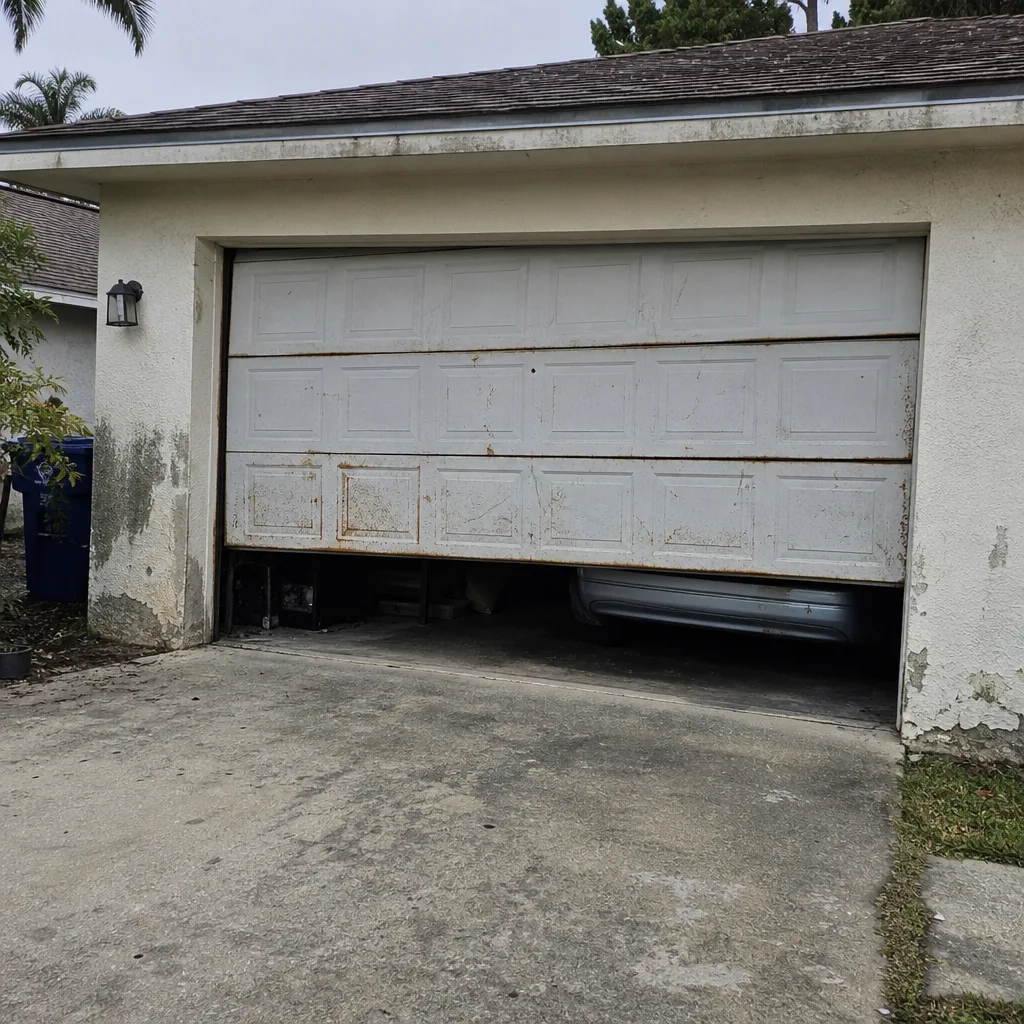 Before
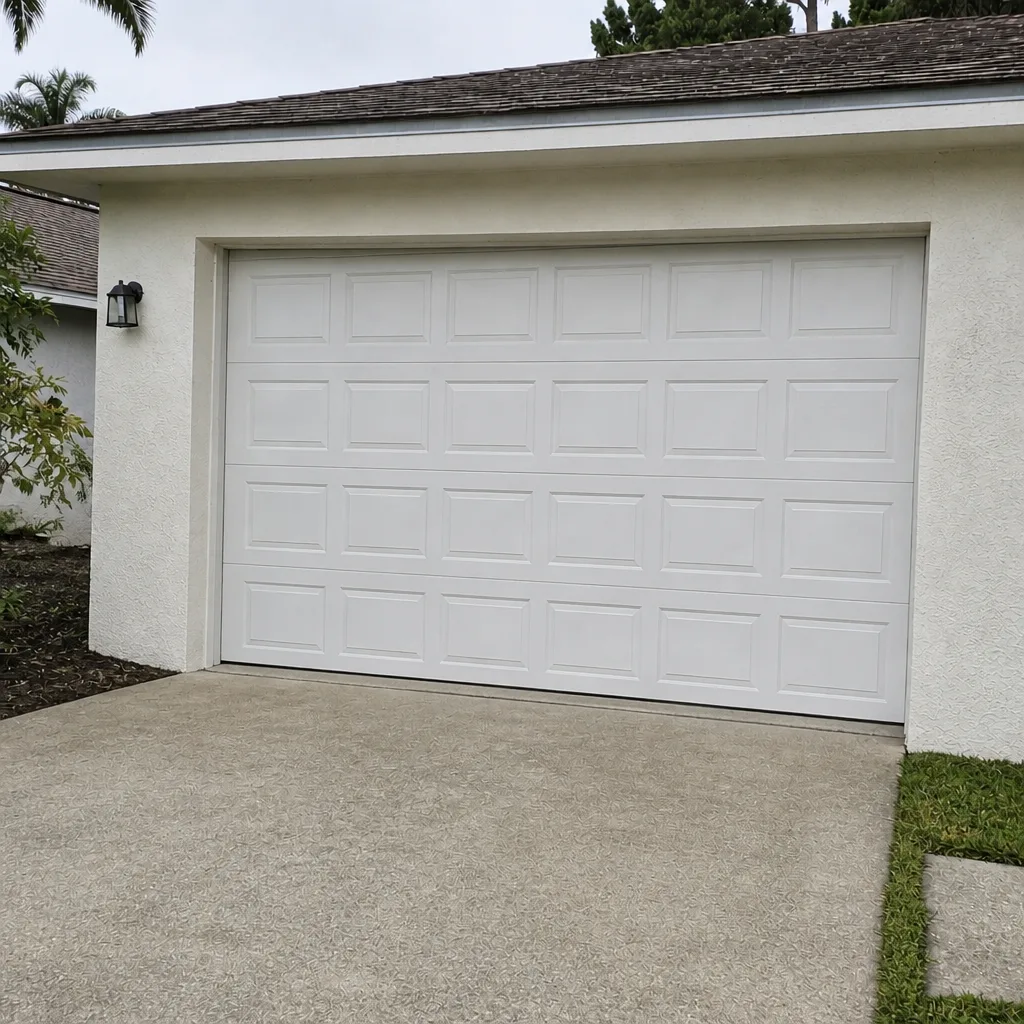 After
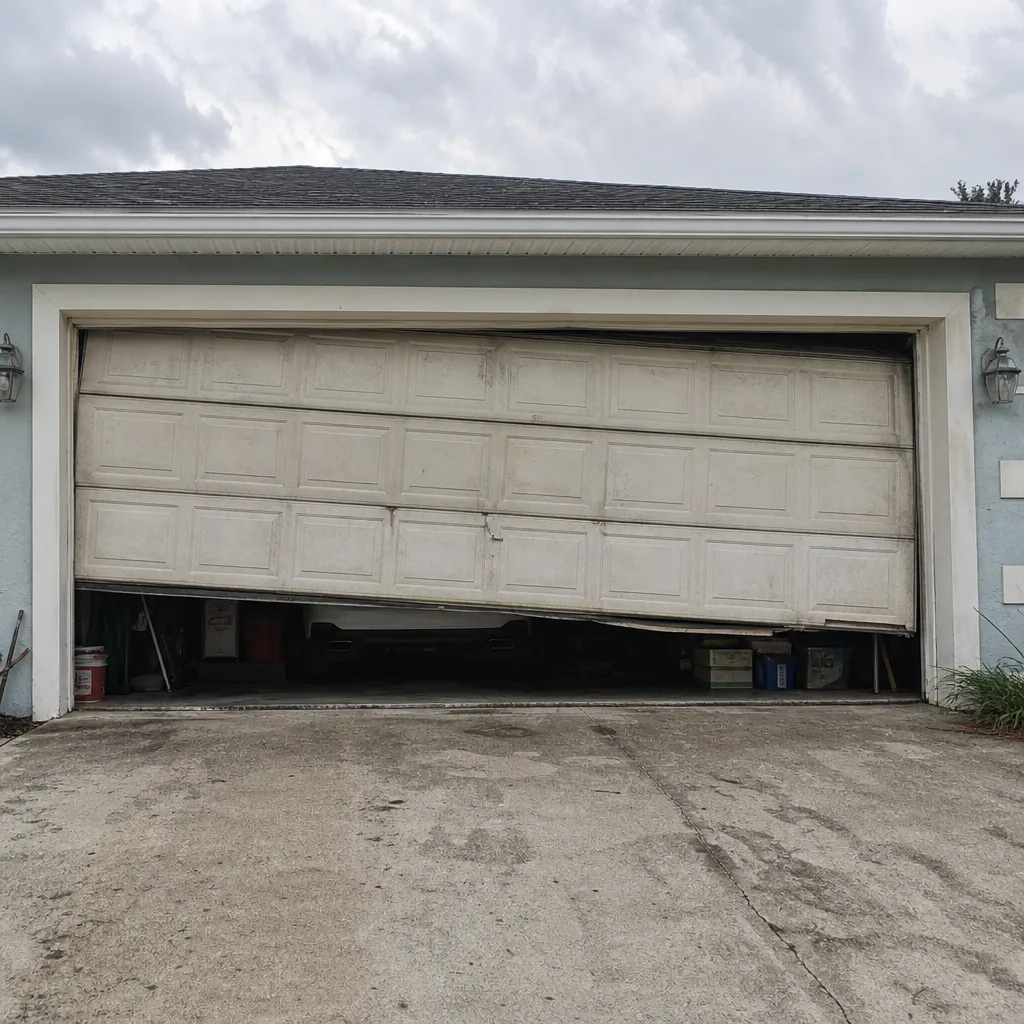 Before
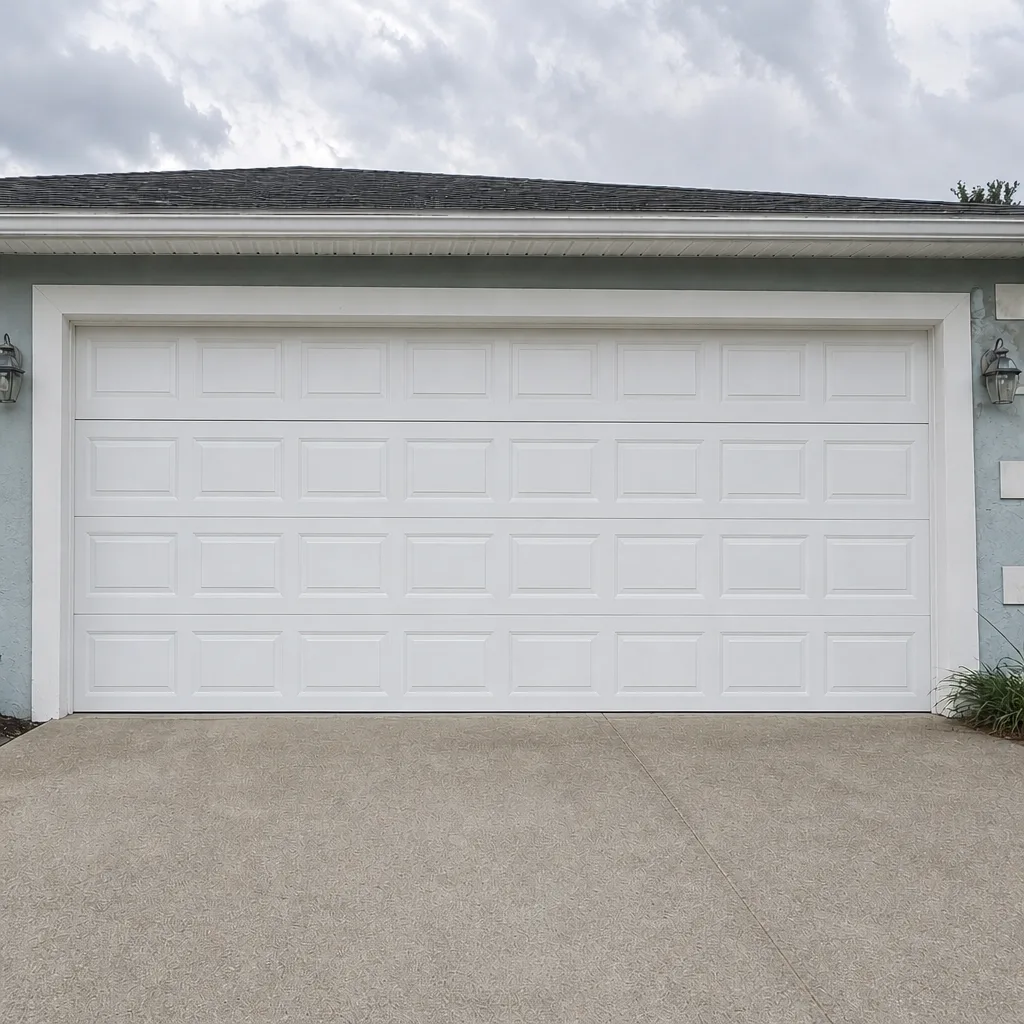 After
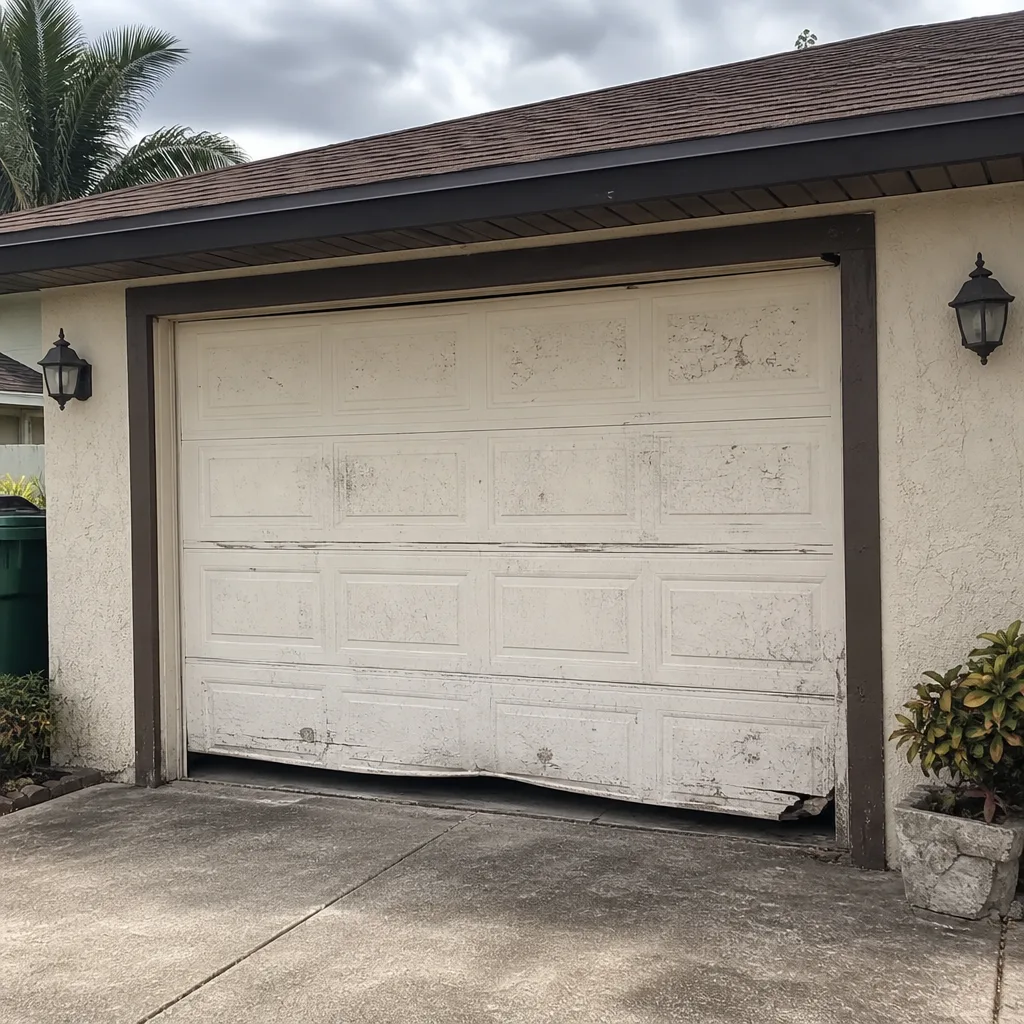 Before
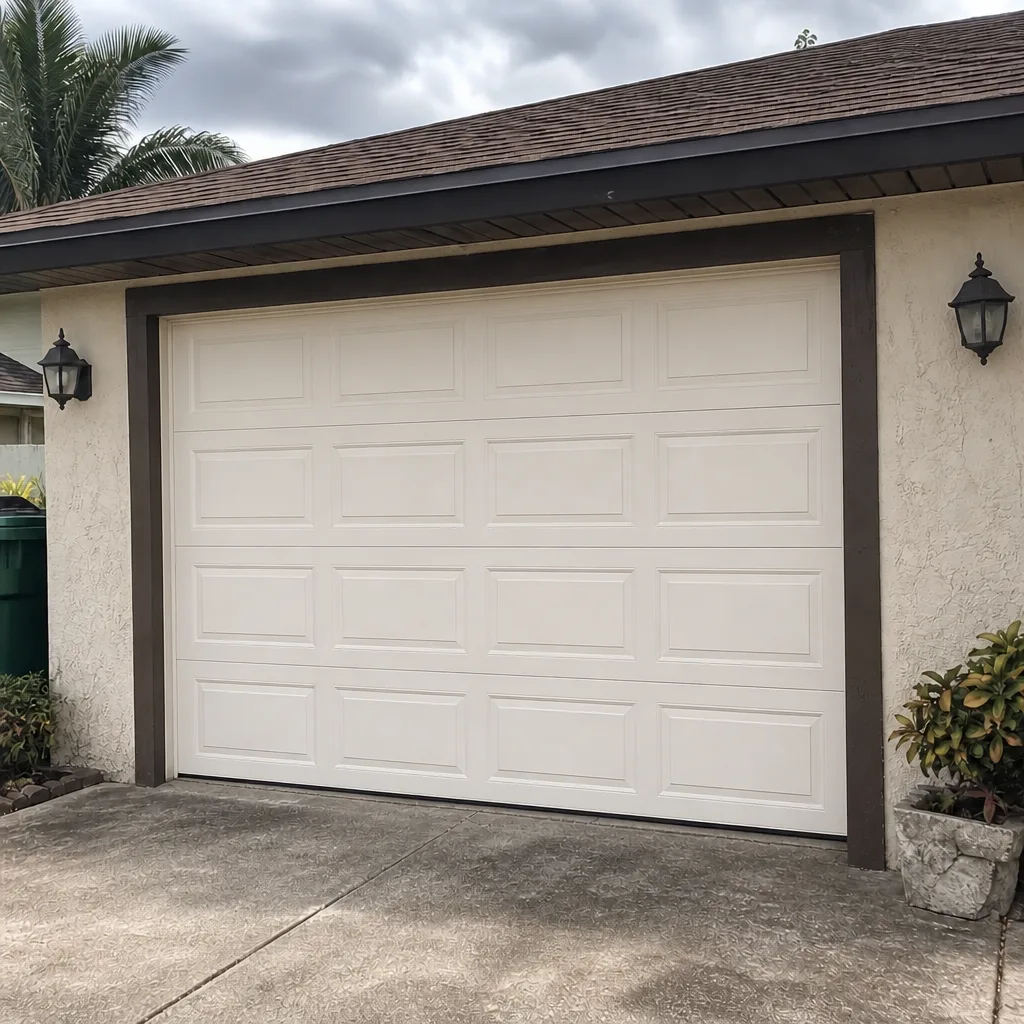 After
When to Call a Professional
If you’re buying a door, call a professional before you buy, not after. That’s the moment where the product approval number, the wind pressure for your opening, and the permit questions all get answered in one shot. If your door is already installed and you’re not sure it was permitted, we can walk through the installation against the approval and help you identify what the city will want to see. If a spring or opener has failed, that’s a repair, and it should still go to a technician: spring failure on an impact door is a safety issue, not a weekend project. Garage Door Repair Cape Coral Pros offers free estimates in Cape Coral, and our technicians have up to 12 years of experience across LiftMaster, Chamberlain, Genie, Clopay, Amarr, Wayne Dalton, Craftsman, and Raynor systems. Call (877) 492-3592.
Frequently Asked Questions
In most cases, yes. A full garage door replacement in Cape Coral is treated as a building permit item because it’s a change to the exterior envelope. The permit is what documents the door’s product approval, size, and installation for future inspections and insurance purposes. Confirm the specific scope with the City of Cape Coral’s building department before work begins, and call (877) 492-3592 if you want us to review the job first.
Repair usually does not need a permit. Springs, cables, rollers, opener repairs, and panel patches fall on the repair side. The line gets blurry when enough of the door is replaced that the rating could be affected, or when the opening itself changes. When the scope is unclear, ask the city’s building department to confirm before you sign anything.
A Florida Product Approval number is a statewide registration that says a product has been evaluated against the Florida Building Code for its intended use, including wind resistance. Impact-rated doors in Cape Coral use them because the state requires it. Inspectors check that the door on site matches the number on the permit, and a mismatch is one of the most common reasons inspections fail. Call (877) 492-3592 if you need help finding or verifying the approval on a door.
You can usually fix it retroactively. The City of Cape Coral has a process for retroactive permitting and inspection, and if the door matches the current product approval and passes the inspection, the record is created after the fact. The bigger risk is on the insurance side: a clause in most homeowner policies lets the insurer deny or reduce a claim for damage caused by unpermitted work. Call (877) 492-3592 for help getting the installation details in order first.
It can delay it, but it rarely blocks it outright. The buyer’s inspector and the buyer’s lender will flag missing permits, and the typical resolution is a retroactive inspection before closing. The fastest path is to pull the permit history before you list, identify any garage door gaps, and get the retroactive inspection done ahead of the buyer’s inspection. Our team can help you sort the door side of the record.
Almost always, yes. Cape Coral is in Florida’s wind-borne debris region, and the city enforces wind-rating requirements through the permit and inspection process. The specific rating depends on your property’s exposure category and opening size, so a door that’s compliant on one street might not be on another. Confirm your property’s requirement with the building department before ordering, and call (877) 492-3592 if you want us to review the options.
Have three things ready on inspection day: the product approval sheet for the door, the manufacturer’s installation instructions, and the door’s label visible and legible. Make sure the opener is operational, the anchors match the approved pattern, and nothing was changed after the inspection was scheduled. Our technicians have up to 12 years of experience and can check all three before the inspector arrives; call (877) 492-3592 to schedule a review.
The Bottom Line
A garage door replacement in Cape Coral is a permit item, not a product swap, and the permit trail is what proves the door was installed to the standard your insurer and your future buyer will expect. Repair stays off the permit path. Replacement goes on it. The door has to carry a Florida Product Approval number that matches the permit, and the anchors and tracks have to match the approved installation, or the inspection fails. If you’ve already replaced a door without a permit, retroactive inspection is the fix. If you’re about to buy a door, get the approval number before you sign. That single habit saves the three-week delays nobody wants to deal with at closing.
If you’re working through a Cape Coral garage door project, replacement, or repair, call Garage Door Repair Cape Coral Pros at (877) 492-3592 for a free estimate. We’ll confirm the details, match the door to the approval, and make sure the job is done in a way that holds up to inspection.
Written by the team at Garage Door Repair Cape Coral Pros.